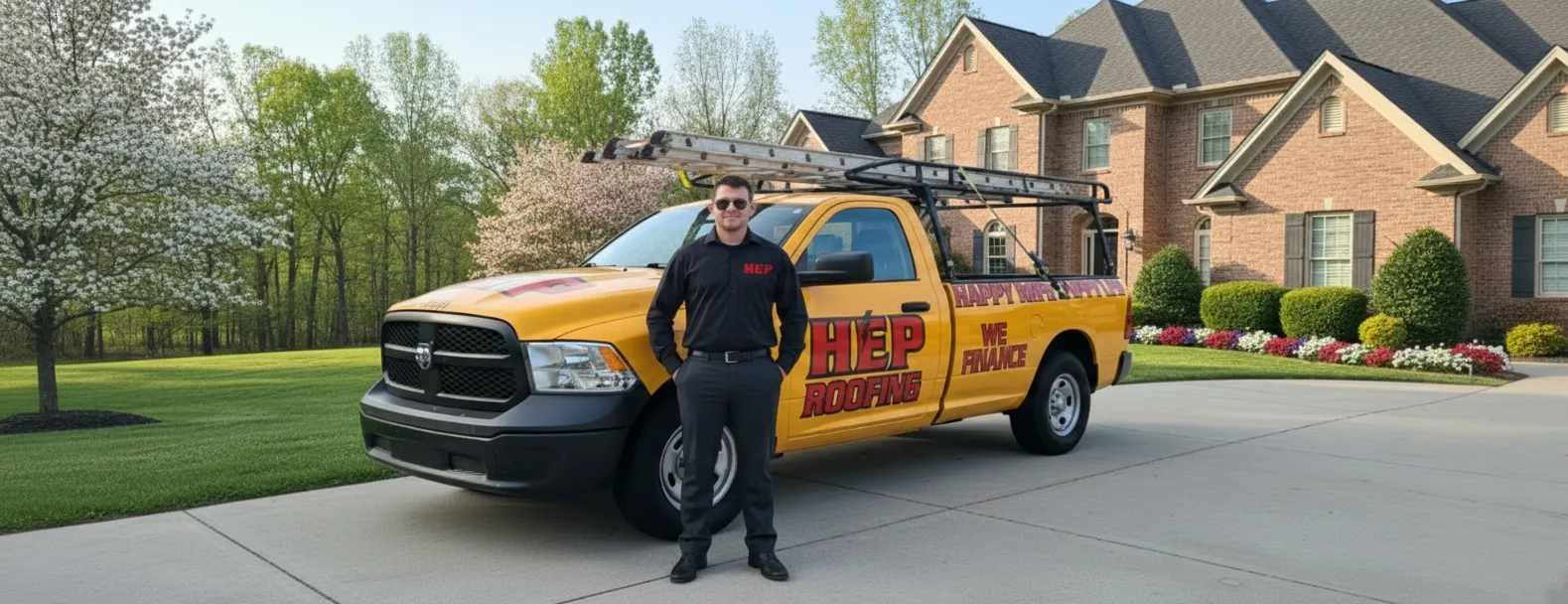

Roof Replacement
Your trusted partner for professional home services. Quality workmanship, guaranteed satisfaction.

Roof Replacement | Roofing | Elizabethton
When Elizabethton homes need a fresh start overhead, HEP’s Roofing is ready with skill, speed, and Southern courtesy. Our certified crews know the quirks of Appalachian weather and the toll it takes on shingles, metal panels, and flashing. From hail-pocked asphalt roofs in Hunter to aging tin tops along the Doe River, we evaluate every square foot, document damage for insurance, and recommend only what your home truly needs—never a shingle more.
Once you give the word, we move fast: delivering materials on schedule, safeguarding landscaping, and installing a watertight, wind-rated roof that’s built to outlast the next storm season. Choose from architectural shingles, standing-seam metal, or designer options, all backed by robust manufacturer warranties and HEP’s own workmanship guarantee. A spotless cleanup, a final magnetic sweep for nails, and a walkthrough with you finishes the job. Reach out today for your free, no-pressure inspection and see why Elizabethton neighbors have trusted HEP to keep their families covered, dry, and worry-free.
What Our Customers Say


Common Roofing Challenges in Elizabethton’s Microclimates
Elizabethton sits at the confluence of valley lowlands, rolling foothills, and rugged mountain slopes. Each microclimate imposes unique stresses on roofing assemblies.
-
Valley Fog and Heavy Dew
Persistent morning moisture clings to shingles, encouraging algae growth and premature granule loss unless surfaces feature stain-resistant technology. -
Upslope Winds
Channels between ridges accelerate wind speeds, demanding high wind-rating shingles, secure ridge caps, and hurricane-grade fasteners. -
Freeze-Thaw Fluctuations
Overnight chill followed by midday sun causes expansion and contraction cycles that weaken sealant bonds and flashing joints. -
Leaf Accumulation Under Canopies
Mature hardwoods surrounding many Elizabethton homes shed leaves that trap moisture, necessitating debris-shedding roof designs and wider valleys to maintain drainage.
HEP tailors installation methods for each home’s terrain, ensuring that localized weather quirks never undermine long-term roof performance.
Roof Decking and Structural Reinforcement: Hidden Backbone of a Durable Roof
Assessing the Deck
The decking—often 7/16-inch OSB or ¾-inch plywood—must remain solid and dry to anchor new roofing layers. During tear-off, HEP artisans probe boards for rot, delamination, or nail-pull resistance. Any compromised panels are replaced to create a rigid foundation.
Reinforcement Strategies
- Sistering joists where past leaks weakened rafters
- Installing additional collar ties in cathedral ceilings to curb ridge sag
- Upgrading to thicker sheathing on windy hilltops for extra pull-through strength
- Adding perimeter blocking around skylights to secure flexible flashing boots
These structural upgrades, though invisible once shingles are installed, pay dividends in roof longevity and storm resilience.
Integrating Gutters and Roof Replacement for Complete Water Management
A roofing system’s effectiveness extends beyond shingle courses to the point where precipitation leaves the structure entirely.
- Seamless aluminum gutters custom-fabricated on-site minimize leak points
- Oversize downspouts accelerate water discharge during torrential summer storms
- Leaf guards reduce maintenance for properties dominated by oaks and maples
- Kickout flashing directs runoff away from siding and foundation corners
By synchronizing gutter installation with roof replacement, HEP eliminates mismatched components and ensures holistic moisture control.
Storm Preparedness Strategies After a New Roof Installation
A fresh roof significantly upgrades protection, yet homeowners can magnify safety further through simple preparedness habits.
- Photograph the new roof from multiple angles for insurance records
- Store spare bundles of shingles supplied by HEP for quick matched repairs if future hail strikes
- Keep ridge-vent openings clear of windblown debris to retain design airflow
- Perform a visual check of attic decking after any notable wind event; early detection of nail back-out or flashing shift prevents bigger issues
These steps transform a one-time roof replacement into an ongoing resilience plan tailored to East Tennessee storm patterns.
The HEP Project Timeline: What Homeowners Can Expect Day by Day
-
Day 1 – Material Delivery
Pallets of shingles, underlayment rolls, and accessory metals arrive on a driveway-friendly trailer. -
Day 2 – Protective Setup
Tarps cover flowerbeds, drip-edge catch nets are staged, and safety harness anchor points are installed. -
Day 3 – Full Tear-Off
Old layers come off; decking deficiencies are documented with photos. -
Day 4 – Structural Repairs
Any required sheathing or framing enhancements are completed. -
Day 5 – Underlayment and Flashing
Ice-barrier membranes line eaves and valleys; synthetic felt covers remaining surfaces. -
Day 6 – Shingle or Panel Installation
Courses run in straight, laser-aligned rows; ridge caps seal the system. -
Day 7 – Ventilation and Accessory Integration
Ridge vents, pipe boots, solar tube flashings, and gutter apron pieces are mounted. -
Day 8 – Final Cleanup and Walkthrough
Magnets sweep lawns, documentation is provided, and the homeowner approves workmanship.
Weather permitting, many projects finish ahead of schedule, but a structured timeline ensures every critical phase receives skilled attention without rushed shortcuts.
Enhancing Attic Ventilation and Insulation During Replacement
Balanced Ventilation
HEP calculates net-free area ratios to balance intake (soffit) and exhaust (ridge or box vent) in accordance with code and manufacturer guidelines. Proper airflow prevents:
- Ice dams that form when warm attic air melts rooftop snow
- Excessive attic heat that bakes shingles from beneath, shortening service life
- Moisture build-up that spawns mold on rafters and insulation
Insulation Upgrades
While decking is exposed, it’s an opportune moment to top off insulation to modern R-value targets. Blown-in cellulose or fiberglass batts minimize thermal bridging through rafters. Many Elizabethton homes built before contemporary energy codes lack sufficient roof insulation, so pairing an upgrade with replacement yields immediate comfort gains.
Roofing Aesthetics: Color and Texture Trends Elevating Elizabethton Homes
Architectural expression doesn’t stop at paint and landscaping; the roof constitutes nearly 40% of visible exterior surfaces.
- High-definition shadow lines emulate dimensional cedar shake without maintenance burdens
- Cool gray and charcoal blends complement the area’s prevalent neutral siding tones
- Rustic earth hues coexist beautifully with stacked-stone chimneys common in Appalachian design
- Matte black metal standing seam roofs create striking contrast against white farmhouse trim
- Slate-look composites with subtle color variegation provide heritage charm for historical districts around downtown Elizabethton
HEP design consultants sample boards on-site so homeowners can view color shifts under actual ambient light and against existing brick or siding.
Post-Installation Documentation and Records Management
Detailed record-keeping simplifies warranty claims and future maintenance.
- Material certificates verify shingle batch numbers and manufacturing dates
- Permit closure forms confirm compliance with Elizabethton building department
- Photographic logs show each installation stage, supporting insurance coverage
- Ventilation calculations document code adherence, essential if resale inspectors inquire
Homeowners are provided a digital folder plus a printed binder—an organized archive that travels with the property should ownership change, sustaining the roof’s added value across decades.
Advanced Material Technologies for East Tennessee Roofs
The rapid evolution of roofing science has introduced materials engineered for specific climate challenges. Selecting the correct combination enhances durability, energy efficiency, and curb appeal.
Impact-Resistant Shingles
Impact-rated asphalt shingles incorporate polymer-modified asphalt or SBS (styrene-butadiene-styrene) to absorb and dissipate kinetic force.
- Class 4 impact testing replicates two-inch hail striking at terminal velocity; passing products resist puncture and granule displacement.
- Enhanced flexibility at low temperatures allows shingles to bend rather than crack during cold-weather installation.
- Granule adhesion technologies reduce post-storm shedding, preserving reflective properties and color uniformity for years.
HEP installs these upgraded shingles on properties situated beneath prevalent hail paths documented by regional weather services, effectively fortifying the home’s first line of defense.
High-Performance Metal Alloys
Modern standing seam and stamped metal roofing utilize aluminum-zinc coatings or Kynar-based paint systems.
- Galvalume substrates couple aluminum’s corrosion resistance with zinc’s sacrificial protection, extending service life past 40 years in humid valleys.
- PVDF (polyvinylidene fluoride) coatings retain over 70% gloss and color after decades of UV exposure, limiting chalking on south-facing slopes.
- Concealed fastener panels eliminate exposed screws, preventing cap deterioration and moisture intrusion.
Metal roofs also reflect radiant heat, lowering attic temperatures during East Tennessee’s humid summers and easing HVAC load.
Next-Generation Synthetic Underlayment
Felt papers have largely yielded to woven polypropylene or polyester underlayments that outperform their predecessors.
- Ten times the tear strength resists wind uplift during installation.
- Low water absorption rates stop underlayment wrinkling that telegraphs through finished shingle courses.
- Printed nailing guides ensure consistent fastener placement, protecting manufacturer warranties.
By serving as both a vapor retarder and secondary rain barrier, synthetic underlayment buys precious time during sudden mountain thunderstorms if outer layers sustain damage.
Environmental Stewardship Embedded in Every Roof
Sustainability extends beyond recycled shingle content. HEP integrates eco-conscious decisions throughout the replacement lifecycle.
- Material optimization software calculates cut patterns that reduce on-site waste by up to 12%.
- Asphalt shingle tear-offs are diverted to mills that reclaim aggregate for roadway asphalt, keeping tons out of local landfills.
- Metal off-cuts are bundled for direct return to regional smelters, conserving virgin ore resources.
- Low-VOC adhesives and primers preserve indoor air quality during attic work.
Energy-Focused Upgrades
Adding solar-reflective shingles or cool-roof metal pigments prevents solar gain. In tandem with ridge-to-soffit ventilation, these features have demonstrated attic temperature reductions of 20–25°F in comparable Appalachian homes, translating into tangible utility savings.
Navigating Local Codes and Permitting in Elizabethton
Building regulations safeguard community standards and occupant safety, but the permitting maze can confuse homeowners. HEP’s administrative team handles documentation from start to finish.
- Permit applications include structural load calculations for heavier specialty products such as slate composites.
- Inspections are scheduled at tear-off, mid-installation, and completion milestones, fulfilling municipal sequencing requirements.
- Certificates of completion are filed with the county’s property records, assuring future buyers that improvements meet or exceed code.
By frontloading compliance, projects remain uninterrupted, and deadlines align with the forecasted construction calendar.
Long-Term Maintenance Schedule to Maximize Roof Lifespan
Even premium roofing benefits from proactive care. A structured maintenance plan empowers homeowners to catch minor issues before they metastasize into costly repairs.
Annual Tasks
- Clear organic debris from valleys and gutters every spring and fall.
- Inspect sealant around vents and chimney flashings for cracks or shrinkage.
- Verify that attic insulation remains fluffy and dry, indicating ventilation is performing effectively.
Five-Year Milestones
- Replace rubber pipe boots that may crack under UV exposure.
- Re-caulk exposed fastener heads on accessory metal to prevent oxidation.
- Conduct infrared scans to reveal hidden moisture pockets beneath shingles.
Decade Benchmarks
- Evaluate granule coverage rates; excessive loss may dictate a protective coating application.
- Rebalance attic ventilation if new living space has been added, ensuring airflow ratios remain within code.
This lifecycle approach can extend service life by up to 30%, preserving investment and preventing premature replacement.
Specialized Flashing Techniques for Water Intrusion Hot Spots
Flashing forms the watertight intersections between roof planes, vertical walls, and penetrations. HEP fabricates custom profiles on metal brakes tailored to each unique contour.
- Counter-flashing tucked beneath brick mortar joints shields step-flashing from wind lift.
- W-valley copper flashing doubles water channel capacity, crucial for steep A-frames common in Elizabethton cabins.
- Flexible EPDM boots around solar conduit entry points maintain elasticity across temperature swings, thwarting fissures.
Attention to flashing details eliminates 90% of leak sources identified in post-storm insurance claims, yet remains an often-overlooked aspect of standard reroofing.
Cultivating a Safety-First Culture on Every Jobsite
Roof replacement demands meticulous safety protocols to protect workers, residents, and property.
- Fall arrest anchors rated for 5,000 pounds secure harness lifelines, meeting OSHA standards on pitches over 4:12.
- Ground crews establish tool-drop zones cordoned by high-visibility cones, preventing accidents on walkways.
- Fire extinguishers stand ready when heat-welded membranes are installed near skylights or dormers.
- End-of-day checklists confirm ladders are removed or locked to deter unauthorized nighttime access.
Regular safety briefings reinforce situational awareness, ensuring that productivity never outranks personal well-being.
Roof Replacement as a Catalyst for Home Equity Growth
A roof’s condition influences curb appeal and structural integrity, both critical to property valuation.
- Appraisers often apply a depreciation schedule to roofs nearing the end of service life; a new installation resets the clock, boosting comparables analysis.
- Fresh architectural shingles or sleek metal panels create instant visual impact in listing photos, enticing a broader buyer pool.
- Energy-efficient upgrades—cool pigments, radiant barriers, and balanced ventilation—translate into quantifiable operating cost reductions, a persuasive selling point in market disclosures.
- Transferable manufacturer warranties provide potential buyers with tangible security, differentiating the listing in competitive neighborhoods.
Real estate reports consistently position new roofing among the top remodeling investments for recouped value, and the positive perception often accelerates time on market.
Seasonal Roofing Considerations Unique to the Appalachian Region
Spring Pollen and Sap
Flowering trees release sticky residue that adheres to shingle granules, creating a grimy film that traps moisture. Gentle roof rinses with low-pressure hoses in late spring restore surface reflectivity.
Summer Thunderbursts
Intense, short-duration rainfalls test gutter capacity. Oversized downspouts and seamless troughs installed during replacement handle deluges without overflow that could erode landscaped beds.
Autumn Leaf Fall
Continuous ridge vents feature internal baffles that block drifting leaves while allowing airflow. Paired with leaf-guarded gutters, the system prevents clogs that might otherwise back water beneath shingles.
Winter Snow Events
Though heavy snowfalls are sporadic, mountain flurries can blanket roofs overnight. Ice-and-water shield membranes at eaves prevent infiltration when freeze-thaw cycles lift shingle edges.
Interior Protection While Work Is Underway
Homeowners often worry about attic insulation and stored belongings during tear-off. HEP crews drape breathable fabric barriers across rafters before demolition commences. These sheets:
- Trap falling debris such as nails and shingle fragments
- Allow vapor to escape, preventing condensation on the attic side
- Roll up for reuse, minimizing material waste
Post-installation, crews vacuum insulation surfaces, ensuring that fibers remain evenly distributed and uncompressed, preserving R-value.
Integrating Skylights and Solar Tubes During Roof Replacement
A new roof presents an ideal opportunity to upgrade natural lighting.
- Low-profile, curb-mounted skylights with dual-pane tempered glass enhance energy efficiency and resist hail impact.
- Flexible solar tubes channel daylight into interior hallways or closets where traditional windows are impractical.
- Factory-flashed kits integrate seamlessly with shingle or metal profiles, eliminating aftermarket leak risks.
By coordinating these installations with roof replacement, flashing integrity is maintained, and aesthetic harmony is achieved.
Moisture Mapping and Diagnostic Technology
Before the first shingle is removed, HEP technicians utilize non-invasive tools to identify concealed problems.
- Infrared thermography highlights temperature differentials indicating trapped moisture or voids.
- Capacitance meters measure relative moisture content in decking without puncturing surfaces.
- Drone imagery captures aerial overviews, revealing sagging planes or chimney cap deficiencies.
Comprehensive diagnostics inform targeted repairs, preventing surprises once the roof is open.
Choosing Fasteners That Stand Up to Elizabethton’s Elements
Fasteners are small yet critical components that anchor the entire system.
- Hot-dipped galvanized nails resist rust in high-humidity valleys.
- Ring-shank designs increase pull-through resistance by 40% compared to smooth nails.
- Stainless steel screws secure metal panels, offering superior corrosion performance near forests prone to acidic rain from decomposing foliage.
HEP technicians calibrate pneumatic nailers to manufacturer-specified depth settings, ensuring each shank penetrates decking by the required margin for maximum holding power.
Coordinating Landscaping Protection Throughout the Project
Roof replacement generates debris that could damage gardens if not managed. Crews implement proactive measures:
- Plywood pathways distribute weight from wheelbarrows across lawns, preventing ruts.
- Upright boards shield delicate shrubs from shingle slides.
- Daily magnet sweeps capture stray nails before pets or mower blades encounter them.
These practices preserve curb appeal and eliminate post-project restoration costs.
Technology-Enabled Project Updates
Modern homeowners appreciate transparency. HEP employs cloud-based project management platforms that:
- Upload daily progress photos accessible from any device
- Provide real-time weather delay notifications
- Store material specification sheets for easy reference
- Track warranty registration status upon completion
Digital communication complements on-site professionalism, aligning expectations throughout the project’s lifecycle.
Proudly Serving Our Community
Find your local experts in your neighborhood. We're just around the corner.