
Roof Repair
Your trusted partner for professional home services. Quality workmanship, guaranteed satisfaction.

Roof Repair | Roofing | Mountain City
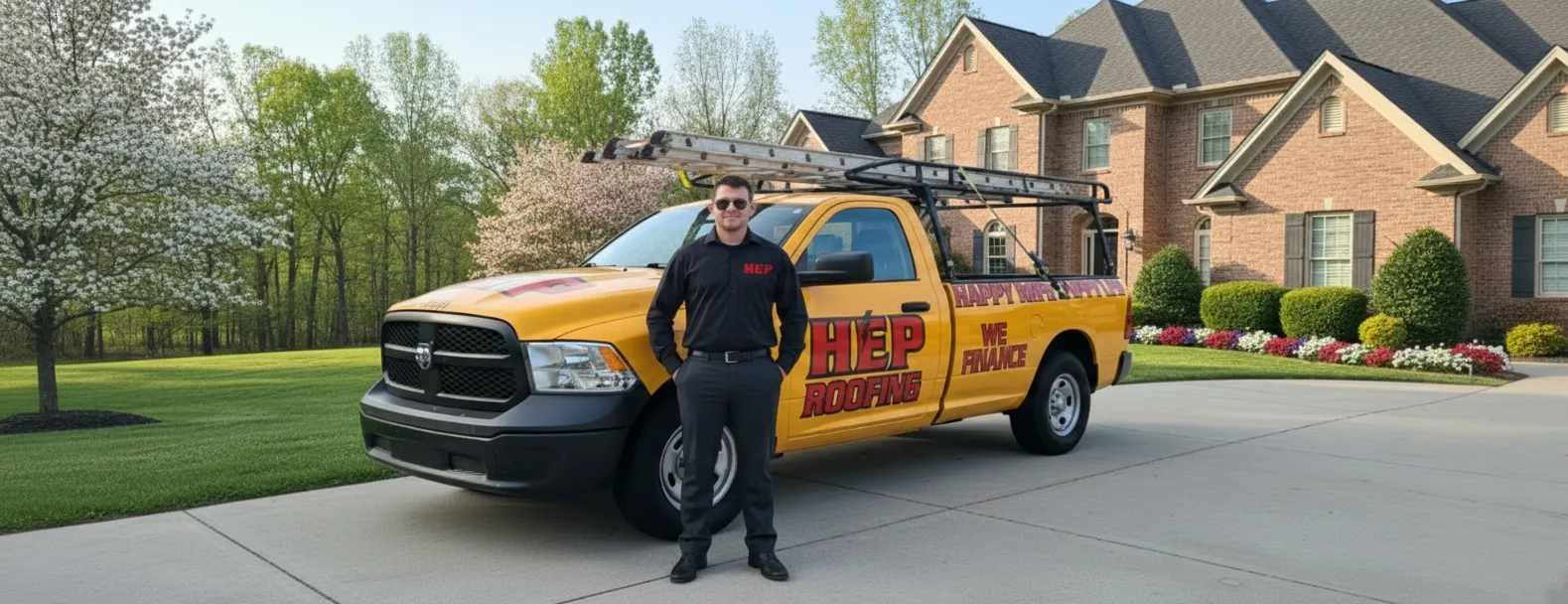
When a Mountain City storm leaves shingles scattered across the yard or an unexpected leak threatens your living room, HEP's Roofing is ready to move fast. Our certified crews arrive with fully stocked trucks, advanced diagnostic tools, and the experience that comes from protecting Tennessee homes for more than two decades. We pinpoint hidden moisture, replace damaged decking, and match new shingles to your existing roof so repairs blend seamlessly—restoring both curb appeal and peace of mind in a single visit.
Because every hour matters after roof damage, we offer 24/7 emergency response and free, no-pressure inspections. From minor flashing fixes to comprehensive hail and wind restoration, you’ll get clear photos of the problem, an upfront quote, and workmanship backed by industry-leading warranties. Call HEP’s today and let Mountain City’s trusted roof repair specialists keep the weather where it belongs—outside.
What Our Customers Say


Specialized Roofing Solutions for Diverse Mountain City Structures
Residential Homes and Multi-Story Condominiums
Homes along Mountain City’s steep slopes and clustered valleys frequently feature dormers, bay windows, and wraparound porches that introduce complex rooflines. HEP tailors repair plans to account for:
- Gable intersections vulnerable to wind-driven precipitation
- Narrow valleys where leaf buildup accelerates shingle decay
- Flat porch roofs requiring seamless membrane transitions to pitched sections
Multi-story condo developments often include shared firewalls, mechanical chases, and communal rooftop amenities. HEP coordinates repairs to minimize resident disruption, scheduling phased access so occupants maintain safe egress while crews address:
- Parapet wall flashing where moisture can wick horizontally
- High-traffic walk pads protecting membrane surfaces
- Integrated drainage systems connecting balcony scuppers to main downspouts
Historic Cabins and Log Homes
Mountain City’s heritage cabins exhibit exposed rafters, cedar shakes, and handcrafted timber framing that demand sensitive repair techniques. HEP’s carpentry specialists:
- Source historically compatible shakes or synthetic shake alternatives resisting rot
- Apply breathable underlayments preserving the natural expansion of aged logs
- Implement concealed fastening to maintain rustic visual integrity
Commercial Warehouses and Retail Centers
Large-span roofs on warehouses must sustain snow loads across uninterrupted surfaces while retaining energy performance. HEP delivers:
- Reinforced TPO seams capable of handling thermal movement over expansive decks
- Solar-ready attachment points for future renewable installations
- Rooftop safety railings complying with commercial fall-protection mandates
Retail centers with prominent architectural facades often require color-matched panel replacements to meet branding standards. HEP’s metal fabrication unit forms custom fascia caps and coping covers on-site, ensuring exact tonal consistency and swift installation.
Mountain City Climate Pressures and Their Impact on Roof Longevity
Freeze-Thaw Cycling and Ice Damming
Winter temperatures in Mountain City oscillate above and below freezing, producing continual freeze-thaw cycles. Melting snow refreezes at roof edges, forming ice dams that:
- Force water beneath shingles, saturating underlayment
- Add excessive weight along eaves, stressing fascia boards
- Cause interior ceiling stains and compromised insulation
HEP mitigates these hazards by enhancing attic ventilation, installing heated cables in problematic gutters, and reinforcing underlayment with ice-and-water shield membranes rated for alpine environments.
High-Velocity Wind Events
Seasonal downslope winds reach speeds exceeding 75 mph, plucking loosely fastened shingles or lifting metal panels. HEP’s repair methodology incorporates:
- Six-nail fastening patterns on asphalt shingles for superior uplift resistance
- Continuous cleats securing standing-seam panels along ridges and eaves
- Impact-rated ridge vents designed to deflect flying debris
UV Radiation at Altitude
Increased elevation intensifies ultraviolet exposure, accelerating shingle granule loss and membrane embrittlement. HEP recommends:
- SBS-modified asphalt shingles engineered with UV-blocking ceramic granules
- Elastomeric coatings on low-slope surfaces to reflect solar radiation
- Scheduled surface inspections each spring to detect early granule shedding
Comprehensive Roof Assessment Protocol Implemented by HEP
Drone-Assisted Imaging
Before any hands-on work begins, FAA-certified pilots capture high-resolution imagery through autonomous drones equipped with:
- 4K cameras detailing surface abrasion, lichen colonization, and flashing gaps
- Infrared sensors revealing hidden moisture pockets below shingles
- GPS waypoint programming ensuring repeatable flight paths for future comparisons
On-Deck Diagnostic Testing
Technicians supplement aerial data with physical diagnostics:
- Core sampling of membrane assemblies to identify saturation depth
- Fastener pull-out tests measuring substrate integrity in aged decking
- Smoke-pencil tracing to evaluate attic ventilation pathways
Data-Driven Reporting
All findings are consolidated into an interactive digital report containing:
- Annotated imagery pinpointing damage locations
- Material compatibility notes for proposed repairs
- Timeline projections accounting for weather contingencies and material lead times
Common Roofing Materials in Mountain City and Specific Repair Techniques
Architectural Asphalt Shingles
A majority of residential roofs use laminated architectural shingles. Repair considerations include:
- Matching color blends to existing weathered sections for seamless appearance
- Applying cold-weather adhesive strips that activate at lower temperatures prevalent in Mountain City’s spring season
- Replacing deteriorated underlayment with synthetic breathable alternatives preventing condensation traps
Standing-Seam Metal
Preferred for snow shedding on steep chalets, standing-seam metal demands:
- Snap-lock replacement panels fabricated in 24-gauge steel to align with original profiles
- High-temperature silicone sealants rated to remain flexible down to ‑40°F
- Ice guards strategically installed above entryways to halt sliding snow sheets
Cedar Shake and Shingle
Historic cabins often rely on cedar. HEP’s preservation approach includes:
- Hand-split shakes dipped in borate solutions deterring fungal growth
- Stainless-steel ring-shank nails resisting corrosion from moist mountain air
- Fire-retardant surface treatments meeting local wildland-urban interface codes
Single-Ply Membranes (TPO, EPDM, PVC)
Commercial buildings feature low-slope assemblies addressed through:
- Hot-air welding for TPO seams, performed with digital temperature-controlled equipment
- Ballasted EPDM repairs utilizing pavers in wind exposure Zone 3 classifications
- Chemical welds for PVC patches ensuring monolithic integration with existing sheets
Step-by-Step Roof Repair Workflow
Site Preparation and Protective Coverings
- Property perimeters are roped off using safety cones and signage to ensure pedestrian rerouting.
- Landscaped beds receive plywood shielding and breathable tarp overlays to catch stray nails.
- Temporary power is supplied via portable generators equipped with decibel reducers for neighborhood courtesy.
Selective Demolition
- Crews remove only compromised sections rather than entire roof fields, limiting material waste.
- Magnetized rollers sweep the ground after each tear-off phase, retrieving metallic debris before it reaches storm drains.
Deck Restoration
- Moisture-deteriorated sheathing is replaced with APA-rated exterior plywood or OSB, fastened according to uplift tables for 130-mph design wind speeds.
- For tongue-and-groove decking found in older cabins, kiln-dried boards matching original lumber species are installed to maintain structural harmony.
Flashing Integration
- Counterflashing around chimneys is milled from 16-ounce copper for enhanced lifespan in acidic mountain rain.
- Step flashing along dormer walls is secured beneath siding courses, preventing capillary action infiltration.
Weatherproofing Layers
- Ice-and-water shield membranes extend 24 inches beyond the heated wall line per local code.
- Synthetic underlayment is overlapped a full six inches and mechanically fastened with cap nails to withstand uplift until final covering is laid.
Surface Installation
- Shingles, panels, or membranes are applied following manufacturer pattern specifications to ensure warranty compliance.
- Ridge ventilation components are set with matching protective caps, combining airflow delivery with aesthetic uniformity.
Final Quality Check
- Moisture meters probe beneath repaired zones to confirm dryness before sign-off.
- Thermal imaging is repeated to verify consistent insulation coverage and absence of hot spots.
- All repair data is archived for future maintenance reference.
Safety Standards and Crew Training
Fall Arrest Systems
Mountain City’s steep terrain elevates fall risks. HEP complies with OSHA 1910 and 1926 regulations through:
- Permanent anchor points installed on select structures, allowing repeated maintenance tie-offs
- Self-retracting lifelines that limit free-fall distance to less than two feet
- Training drills every quarter simulating rescue scenarios on pitched surfaces
Weather Monitoring Protocols
- Real-time weather station feeds alert crews when wind gusts exceed 30 mph, triggering instant work stoppage.
- Lightning detection systems measure ground-to-cloud differentials, mandating evacuation if strikes occur within a 10-mile radius.
Material Handling Procedures
- Load distribution is calculated to keep roof decking below allowable live loads, especially when snow remains on shaded sections.
- Pneumatic nailers are fitted with sequential triggers to prevent unintentional multi-fire discharges that could compromise safety and installation quality.
Code Compliance and Inspection Coordination
Local Permit Documentation
HEP’s in-house permit specialists manage:
- Preparation of structural calcs for any truss reinforcement during repair
- Submission of roofing permits through the Mountain City electronic portal
- Scheduling of footing, sheathing, and final inspections with municipal representatives
Wildfire Resilience Regulations
Mountain City falls within a wildland-urban interface zone. Repairs adhere to:
- Class A fire-rated roof coverings for new surface applications
- Enclosed eaves with non-combustible soffit materials where open rafters previously existed
- Ember-resistant gutter guards preventing leaf accumulation and ignition sources
Post-Repair Certification
Upon final inspection approval, clients receive a compliance certificate documenting:
- Roof covering type and manufacturer details
- Applicable code sections met or exceeded
- Date of completion and inspection officer sign-off
Energy Efficiency Upgrades During Repair
Radiant Barrier Installation
Aluminum foil radiant barriers are stapled beneath rafters, reflecting up to 97% of radiant heat. Benefits include:
- Reduced summer cooling loads, valuable in Mountain City’s high-altitude sunshine
- Enhanced attic insulation performance without adding thickness
- Synergy with continuous ridge and soffit ventilation to expel captured warm air
High-R-Value Insulation Retrofits
- Closed-cell spray foam seals cavity penetrations around plumbing vents and wiring chases.
- Mineral wool batts replace insufficient fiberglass where moisture exposure formerly compressed fibers.
Cool-Roof Coatings for Low-Slope Systems
Elastomeric acrylic coatings in bright white formulations:
- Drop surface temperatures by up to 60°F during peak sun hours
- Resist dirt pickup through chemical additives, retaining reflectivity over time
- Offer crack-bridging elasticity beneficial during freeze-thaw contraction cycles
Ventilation Optimization for Year-Round Comfort
Ridge Vents and Soffit Balance
HEP calculates Net Free Vent Area (NFVA) to maintain a 1:300 ventilation ratio for attic spaces. Implementation steps include:
- Continuous ridge vents cut along the apex of the roof deck, ensuring unobstructed airflow exit points.
- Vented aluminum or vinyl soffit panels facilitating intake, distributed evenly to avoid localized hot spots.
Gable-End Louvers
Historic homes lacking soffit access obtain cross-flow ventilation through stainless-steel mesh louver assemblies. These units:
- Resist pest intrusion while maximizing open area
- Feature powder-coat finishes blending with decorative trim work
Mechanical Assisted Options
For complex roofs with limited natural airflow paths, HEP integrates:
- Solar-powered attic fans engaging when temperatures exceed set thresholds
- Humidistats controlling fan activation during high moisture periods, preventing condensation-driven mold growth
Storm Readiness and Emergency Response
Rapid Tarping Operations
When hail, heavy snow, or fallen branches create sudden infiltration risks, HEP crews deploy within tight logistical windows. Emergency actions include:
- Heavy-duty polyethylene tarps secured with 2x4 anchor boards, resisting uplift up to 50 mph
- Sandbag stabilization on flat or low-slope areas where nailing could worsen damage
- Temporary flashing tape sealing around vent stacks to halt water intrusion until permanent materials arrive
Debris Clearance and Structural Stabilization
- Chainsaw-certified technicians remove broken limbs resting on roof surfaces, coordinating with local arborists where large tree segments threaten additional impact.
- Damaged trusses receive engineered shoring using adjustable steel jacks, preventing sag while repair designs are produced.
Moisture Extraction and Dry-Out Services
- Industrial desiccant dehumidifiers placed in attics draw out absorbed water from insulation and wooden members.
- HEPA-filtered air movers accelerate evaporation while maintaining air quality for occupants.
Wildlife Intrusion Prevention Strategies
Reinforced Ridge Caps
Mountain marmots and squirrels exploit gaps at ridgelines to nest in warm attics. HEP installs:
- Metal ridge caps with concealed fastening, eliminating chewable shingle edges
- Stainless steel mesh baffles underneath to preserve ventilation while blocking entry points
Gutter Guard Systems
Pine needles and cones create attractive bedding for birds and rodents. Micro-mesh gutter guards:
- Deny access to interior troughs
- Uphold water flow efficiency during torrential mountain rains
Dormer and Eave Screening
- Expanded metal screens cover soffit vents without reducing NFVA calculations.
- Color-matched hardware blends with existing trim, avoiding visual disruption to architectural design.
Long-Term Maintenance Packages
Semi-Annual Inspections
Spring and fall evaluations pinpoint developing issues such as:
- Sealant shrinkage around skylights
- Loose storm collars on vent pipes after seasonal temperature swings
- Moss accumulation on north-facing asphalt slopes
Snow Load Mitigation Services
- Crews perform controlled snow raking, maintaining even load distribution and preventing mid-season collapse potential.
- Calcium chloride pucks, enclosed in protective mesh bags, are strategically placed to melt ice dams without corroding metal components.
Gutter and Downspout Clearing
- High-pressure water jets flush downspouts to ground level, confirming unobstructed flow.
- Joint seams receive elastomeric patching to cure pinhole leaks before they cause fascia rot.
Specialized Equipment Fleet
Hydraulic Lift Platforms
Articulating boom lifts with 60-foot reach allow safe exterior wall flashing repairs where ladders prove unstable on sloped terrain. Each lift features:
- Non-marking tires suitable for sensitive driveways
- Integrated secondary guarding systems enhancing operator safety
Portable Roll-Formers
For on-demand metal panel production, HEP’s trailer-mounted roll-formers:
- Shape standing-seam profiles up to 24 inches wide in continuous lengths, reducing end-lap failure points
- Offer computer-controlled hemming for precise drip-edge creation
Thermal Imaging Cameras
- Calibrated to ±2°C accuracy, surpassing typical consumer-grade models
- Pair with cloud-based analytics, cataloging temperature anomalies for year-over-year comparison
Illustrative Project Scenarios in Mountain City
Steep-Slope Chalet Near Timberline Trail
Problem: Wind-torn cedar shakes allowed water infiltration above a vaulted ceiling.
HEP Solution:
- Removed 200 square feet of compromised shakes without damaging adjacent areas
- Installed ice-and-water shield over entire valley section
- Replaced shakes with Class B treated cedar, matching color variance and grain pattern of surrounding roof
Downtown Mixed-Use Complex with Low-Slope Roof
Problem: Persistent ponding water degraded TPO seams around rooftop HVAC units.
HEP Solution:
- Elevated units using custom welded curbs to improve drainage angles
- Installed tapered polyisocyanurate insulation creating 1/4-inch per foot slope to internal drains
- Welded 60-mil TPO overlay across 6,000 square feet, forming a continuous waterproof plane
Heritage Log Cabin Beside River Bend
Problem: Aged metal roofing exhibited rust perforations causing interior drip lines.
HEP Solution:
- Conducted rust conversion priming on salvageable areas
- Fabricated matching corrugated panels with galvalume finish for selective replacement
- Added snow retention clips above entrances to prevent shedding injuries
Sustainability and Waste Reduction Initiatives
Material Recycling Programs
HEP diverts significant volumes of tear-off waste from local landfills through established recycling partnerships. Components included are:
- Asphalt shingles processed into aggregate for roadway resurfacing
- Metal panels and flashing separated for smelting back into construction-grade coils
- Wooden decking repurposed into landscape mulch or biomass fuel
Eco-Friendly Product Selection
Wherever feasible, HEP specifies low-VOC adhesives, cool-roof coatings, and recycled-content insulation boards. These products:
- Lower the project’s embodied carbon footprint
- Reduce outdoor heat island effects in densely built districts
- Contribute to indoor air quality by limiting chemical off-gassing
Water Management and Erosion Control
Mountain terrain amplifies runoff velocity, which can erode foundations and neighboring properties. During roof repair, HEP installs:
- Rainwater diverters directing flow toward landscaped swales
- Heavy-duty splash blocks dissipating discharge energy
- Optional rain barrel connectors supporting irrigation reuse
Training and Community Outreach
HEP technicians participate in local workshops educating homeowners on responsible roofing disposal and energy-saving maintenance. Through demonstrations of proper shingle sorting, attic insulation upgrades, and seasonal inspection routines, the team fosters a culture of stewardship across Mountain City.
Proudly Serving Our Community
Find your local experts in your neighborhood. We're just around the corner.