
Advanced Diagnostic Tools
Your trusted partner for professional home services. Quality workmanship, guaranteed satisfaction.

Advanced Diagnostic Tools | Roof Repair | Roofing | Mountain City
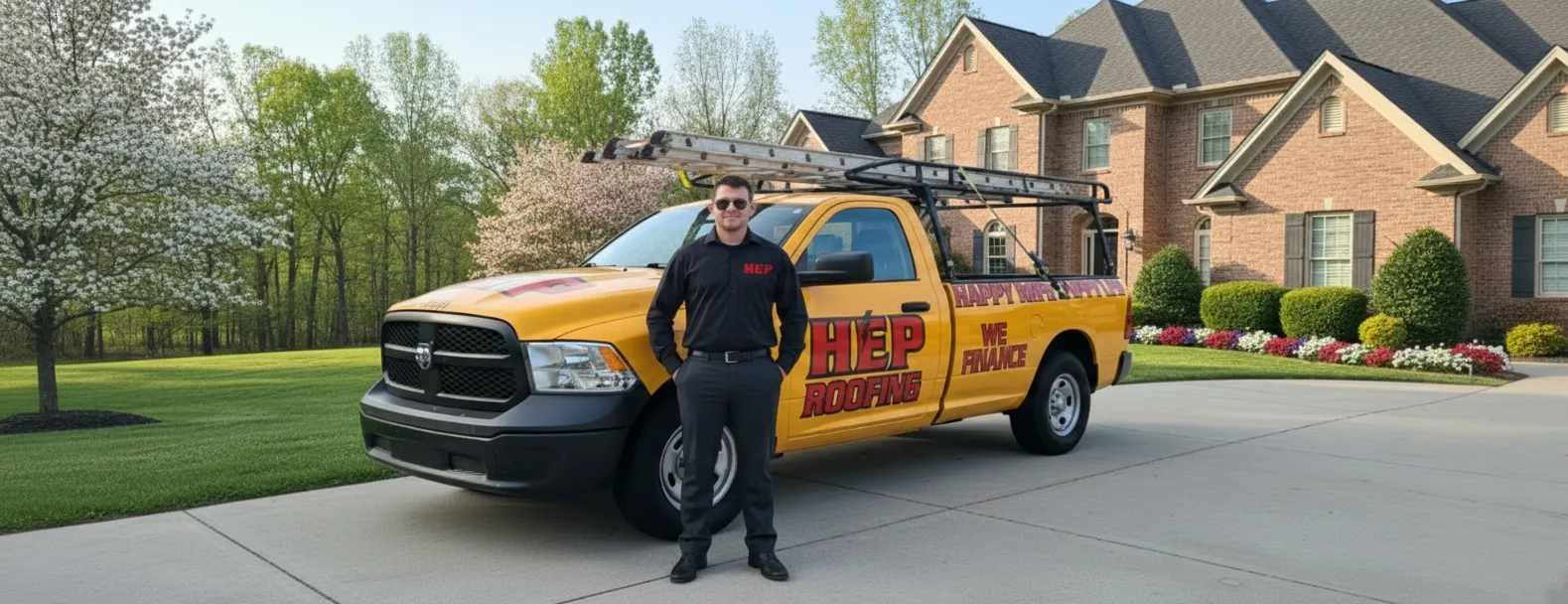
Mountain City's rugged beauty comes with intense sun, sudden downpours, and winter gusts that can silently damage your roof long before a leak appears. Whether you need a quick roof repair or just want peace of mind, HEP Roofing pairs hometown service with cutting-edge science, using drones, 4K imaging, and FLIR infrared scanners to pinpoint hidden weaknesses in shingles, flashing, and decking. Our advanced diagnostic tools let you see what we see—high-definition photos and heat maps delivered straight to your inbox—so you can make informed decisions without ever climbing a ladder.
Armed with precise data, our certified crews design a custom roof repair plan that targets the problem, not your wallet. Instead of blanket replacements, we fix only what needs fixing, reinforce what can be saved, and back every nail with an iron-clad workmanship guarantee. From same-day emergency patches to scheduled maintenance that extends your roof’s lifespan, HEP makes protecting your Mountain City home simple, transparent, and surprisingly affordable.
FAQs
What are “advanced diagnostic tools” in roofing and why are they important for Mountain City homes?
Advanced diagnostic tools refer to high-tech equipment such as infrared thermography cameras, moisture meters, drones with high-resolution imaging, and electronic leak detection devices. In Mountain City, where fluctuating temperatures and seasonal storms can quickly hide or worsen roof problems, these tools let us see beneath the surface without tearing up shingles. They pinpoint trapped moisture, insulation gaps, hail bruises, and hidden leaks early, allowing targeted repairs that extend roof life and lower overall costs.
How does infrared thermography help detect roof issues that aren’t visible to the naked eye?
Infrared thermography measures temperature differences across your roof. Wet or damaged areas hold heat longer than dry, intact sections. By scanning the roof from above or inside the attic, our technicians create a thermal map that highlights anomalies—often long before water stains appear inside your home. This non-invasive scan is ideal for locating hidden leaks, compromised insulation, and areas where energy is escaping, letting us fix issues proactively.
Will using drones for roof inspection disrupt my neighborhood or damage my property?
No. Our FAA-licensed drone pilots use lightweight, quiet drones equipped with 4K cameras and distance-sensing technology. Flights typically last 15–20 minutes per home and maintain a safe altitude to respect privacy and prevent accidents. Because the drone replaces ladders and boots walking on your shingles, it actually reduces the risk of roof damage and enhances safety for both your property and our crew.
How accurate are electronic moisture meters compared to traditional visual inspections?
Electronic moisture meters provide quantitative readings (in percentage of moisture content) with an accuracy of ±1–2%. Visual inspections alone rely on signs like discoloration or sagging, which often appear only after substantial damage. By inserting non-invasive sensors or using capacitance probes, we can measure moisture levels in decking, insulation, and drywall, ensuring repairs address the full extent of water intrusion rather than just the visible symptoms.
If an advanced diagnostic reveals minor issues, do I have to approve immediate repairs?
While prompt action is usually best, you’re never obligated to approve repairs on the spot. After each diagnostic, we deliver a detailed digital report with annotated images, thermal scans, and moisture readings. We explain the severity, expected timeline before the problem worsens, and a transparent cost estimate. You can review the findings and decide when—or if—you want us to proceed. We’re happy to answer follow-up questions or provide a second opinion at no extra charge.
Are these high-tech roof inspections more expensive than standard inspections, and do they pay off?
Advanced diagnostics cost about 20–30% more upfront than a basic visual inspection. However, they often save Mountain City homeowners hundreds—sometimes thousands—by catching small leaks before they rot decking, ruin insulation, or require interior repairs. Insurance carriers increasingly accept infrared and drone reports as proof of storm damage, which can streamline claims and maximize coverage. In short, the modest added cost typically pays for itself through earlier detection, focused repairs, and better documentation.