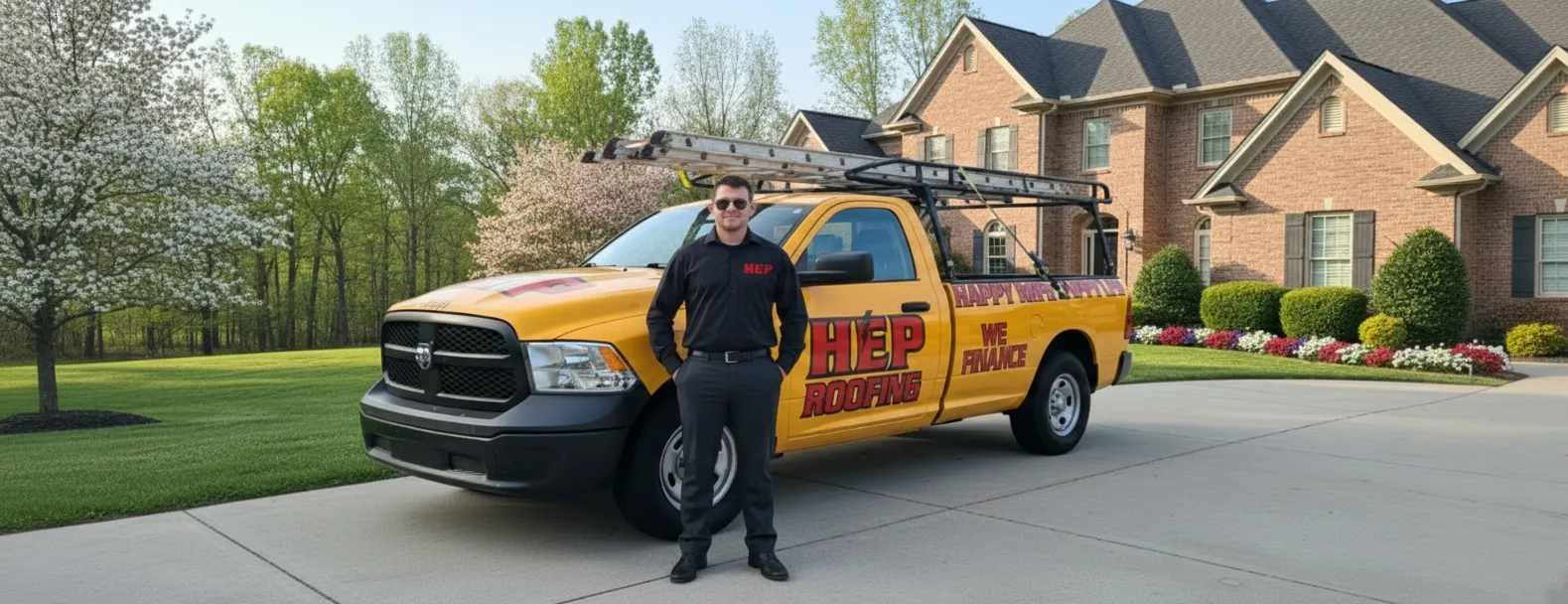

Storm Damage Restoration
Your trusted partner for professional home services. Quality workmanship, guaranteed satisfaction.

Storm Damage Restoration | Roofing | Johnson City
When fierce Appalachian winds, pounding hail, or driving rain rip through Johnson City, HEP’s roofing specialists are ready 24/7 to secure your home before further damage sets in. Our local, factory-certified crew arrives fast with emergency tarping, a thorough storm-damage inspection, and photo-documented findings that make insurance claims far less stressful. From missing shingles and dented metal panels to soaked decking and attic leaks, we restore every layer of your roof with premium materials engineered for the region’s unique climate.
Because we live and work right here in East Tennessee, we treat every project like it’s our neighbor’s—transparent estimates, no high-pressure sales, and workmanship that’s backed by industry-leading warranties. Whether you need a simple repair or a full roof replacement, choose HEP: the trusted Johnson City team that turns post-storm chaos into a watertight, worry-free roof—often in a single day. Contact us now for a free, no-obligation storm-damage assessment.
What Our Customers Say


Storm Damage Restoration Roofing Experts in Johnson City
The Appalachian foothills cradle Johnson City beneath sweeping vistas and ever-changing skies. While the scenery is postcard-worthy, the same atmospheric forces that paint brilliant sunsets can also unleash punishing wind, hail, and torrential rain. When a fast-moving storm passes, homeowners often step outside to a sobering sight—shingles torn away, metal flashing folded back, and leaks forming in once-dry attics. HEP company’s roofing storm damage restoration service exists to turn that moment of uncertainty into a clear, confident path toward a watertight roof and a fully restored home.
How HEP Company Streamlines Roof Storm Damage Restoration
HEP guides Johnson City homeowners through every phase of post-storm recovery, integrating technical repairs with administrative assistance. The company’s licensed roofing specialists assess, document, repair, and upgrade roofing systems according to the International Building Code and local Tennessee regulations. By coordinating with insurance adjusters, providing detailed photo documentation, and adhering to manufacturer specifications, HEP ensures that each roof restoration meets or exceeds warranty standards—all while minimizing homeowner stress.
Understanding the Weather Challenges Unique to Johnson City
Johnson City’s location in the Blue Ridge Mountains creates rapid weather shifts that test roofing materials in several ways.
Temperature Swings and Thermal Cycling
The city experiences brisk winter lows followed by mild, sunny afternoons. Asphalt shingles, metal panels, and roof membranes expand and contract in response, loosening fasteners and creating micro-fractures that storms exploit.
High-Velocity Wind Events
Straight-line winds funnel through valleys at speeds that rival mild tornadoes. Gusts lift shingles, displace ridge caps, and peel away underlayment. Once a single shingle edge is exposed, wind can unzip entire rows, leaving decking vulnerable.
Hailstorms and Impact Damage
Although hail is less frequent than in the Plains, spring and summer storms occasionally drop hailstones large enough to bruise shingle mats or dent metal roofing. Hail damage often hides beneath granules, making professional inspection critical.
Heavy Rainfall and Flash Flooding
Tropical moisture remnants can dump inches of rain in a single afternoon. High volumes overwhelm gutters and downspouts, forcing water beneath flashing and into seams where it saturates decking and insulation.
Ice Damming in Elevated Neighborhoods
Elevated ridgelines north of downtown experience freeze-thaw cycles that create ice ridges along eaves. Meltwater backs up under shingles, causing leaks that may not appear until months later.
Common Types of Roof Storm Damage Handled by HEP
Shingle Loss and Lifting
Wind and wind-driven rain loosen sealant strips, allowing shingles to lift and eventually tear away. Exposed nails and felt provide no protection, and subsequent storms accelerate interior water entry.
Granule Loss and Bruising
Hailstone impacts knock off the protective granule layer and leave circular bruises. Shingles age prematurely, lose UV protection, and become brittle.
Flashing and Sealant Failure
High winds tug at chimney flashing, step flashing, and vent boots. Even a slight separation lets capillary action draw water into structural framing.
Gutter and Downspout Displacement
Detached gutters shift water discharge points, eroding landscaping and directing runoff toward foundations. Overflows can saturate fascia boards and create mold growth in soffits.
Decking and Structural Compromise
Severe storms may crack roof decking or break trusses. Sagging rooflines signal compromised integrity that requires immediate reinforcement or partial rebuild.
The HEP Roof Storm Damage Restoration Process
1. Rapid Response and Site Safety
HEP’s first priority is to stabilize the property:
- Emergency tarping over exposed decking
- Temporary sealing of punctures and ridge vents
- Removal of dangling limbs or debris threatening further harm
2. Comprehensive Damage Assessment
Certified inspectors conduct a multi-point evaluation:
- Drone imagery for steep or inaccessible slopes
- Moisture meter readings inside attics and ceilings
- Documentation of missing shingles, dented flashing, and granule accumulation in gutters
Each detail feeds into an itemized report formatted specifically for insurance platforms.
3. Claim Assistance and Documentation
Navigating storm insurance claims can overwhelm homeowners. HEP streamlines the process by:
- Supplying high-resolution before-and-after photos
- Providing measurement diagrams with square footage breakdowns
- Communicating the scope of work and material codes directly to adjusters
4. Material Selection for Durable Restoration
Using only manufacturer-approved components preserves warranty coverage and boosts long-term resilience. Material options include:
- Architectural or impact-rated asphalt shingles engineered for 130 mph wind uplift
- Standing seam or stone-coated metal panels with hail resistance certifications
- Synthetic underlayment offering superior tear strength compared to traditional felt
5. Roof Removal and Deck Inspection
HEP crews remove damaged layers, abide by OSHA fall-protection protocols, and replace soft or delaminated decking sections. Each nail hole from removed shingles is inspected for rust, ensuring structural health before re-roofing begins.
6. Installation of Advanced Weather Barriers
Key waterproofing stages comprise:
- Ice & water shield membranes along eaves, valleys, and penetrations
- High-temperature peel-and-stick products around chimneys
- Breathable synthetic underlayment across the field to reduce trapped moisture
7. Integration of Ventilation Upgrades
Storm repairs offer a timely opportunity to improve attic airflow:
- Ridge vents with external baffles that block wind-driven rain
- Intake vents in soffits for balanced air exchange
Proper ventilation reduces attic temperatures and extends shingle life.
8. Final Quality Assurance Inspection
Before marking a project complete, HEP’s supervisors:
- Verify fastener counts and nailing patterns per manufacturer specs
- Ensure flashing overlaps meet minimum 4-inch threshold
- Confirm gutter alignment and downspout securement
9. Restoration of Surrounding Property
Post-construction, crews magnet-roll for nails, reset landscaping stones, and clean driveways, returning the property to pre-storm aesthetics.
Roofing Materials Frequently Installed After Johnson City Storms
Impact-Resistant Asphalt Shingles
UL 2218 Class 4 rated shingles withstand hail better and may reduce long-term insurance premiums. Their thicker asphalt core and reinforced fiberglass mat endure blunt impacts that split standard shingles.
Architectural Laminated Shingles
These dimensional shingles present multi-layered tabs that resist uplift and add curb appeal. Staggered lamination shadows mimic natural slate, enhancing home value in established neighborhoods like Tree Streets or Lake Ridge.
Metal Roofing Systems
HEP installs 24-gauge standing seam panels with concealed fasteners, a design proven to survive winds exceeding 150 mph. Galvalume coatings prevent corrosion in humid Appalachian climates.
Synthetic Slate and Shake Alternatives
Polymer-based composites replicate cedar shakes or slate tiles at a fraction of the weight, reducing structural load on older homes while offering 50-year life expectancies.
Modified Bitumen for Low-Slope Sections
Many Johnson City homes feature partial low-slope roofs over porches or additions. Granule-surfaced modified bitumen membranes provide tensile strength and superior puncture resistance.
Key Signs Johnson City Homeowners Should Request a Storm Damage Inspection
- Water stains forming on ceiling drywall or along rafters
- Shingle granules accumulating at downspout exits
- Dented metal vents, gutters, or soft aluminum window wraps
- Daylight showing through attic boards or around pipe jacks
- Unusual roofing debris found on lawns following high winds
Proactive inspections prevent minor issues from escalating into full roof system failures, mold infestations, or expensive interior repairs.
HEP’s Commitment to Building Code Compliance and Best Practices
Johnson City enforces International Residential Code (IRC) standards, and HEP satisfies or exceeds these provisions. Detailed checklists guide each crew member through:
- Minimum 1-inch penetration of nails into decking
- Proper valley flashing installation—either open metal or closed-cut method—per manufacturer guidelines
- Adherence to step flashing installation at sidewalls, with individual pieces rather than continuous L-flashing, ensuring directional water shed
- Mandatory ice & water shield placement in areas prone to ice damming, even when local codes treat it as optional
Energy Efficiency and Storm Recovery: A Dual Opportunity
Replacing storm-damaged roofs grants an opportunity to integrate energy-saving upgrades at marginal additional cost. HEP encourages Johnson City homeowners to consider:
Cool Roof Shingle Technology
Reflective granules reduce heat absorption, lowering attic temperatures by up to 40°F on sunny summer days. HVAC systems cycle less, trimming energy bills.
Radiant Barrier Decking
Foil-faced OSB sheathing deflects radiant heat, especially beneficial for south-facing roofs that see prolonged sun exposure after a storm rebuild.
Enhanced Insulation
If roof decking replacement exposes attic cavities, blown-in cellulose or fiberglass can be topped off to R-38, meeting or surpassing Tennessee recommendations.
The Role of Proper Attic Ventilation in Post-Storm Roof Longevity
Ridge-to-Eave Airflow Dynamics
Balanced ventilation removes moist air that would otherwise condense on rafters. When storms compromise ridge vents or soffit openings, trapped moisture accelerates wood rot. HEP ensures:
- Correct net free air space according to roof pitch and square footage
- Installation of external baffle ridge vents constructed of UV-resistant polypropylene
- Unobstructed soffit openings protected by aluminum screening
Impact on Shingle Warranty Coverage
Most manufacturers void material warranties if ventilation is inadequate. HEP’s ventilation calculations and documented installation protect homeowner investments for decades.
Specialized Storm Damage Services Beyond Standard Roof Replacement
Emergency Tarping and Temporary Dry-In
When storms strike outside daylight hours, quick deployment of heavy-duty polyethylene tarps prevents water infiltration until permanent solutions commence.
Skylight and Sun Tunnel Restoration
Hail often cracks skylight acrylic or breaks seals. HEP replaces damaged units with double-pane, low-E alternatives featuring integral flashing kits that improve thermal performance.
Chimney Re-Flashing and Masonry Waterproofing
Wind-driven rain exploits voids where masonry meets roofing. HEP reinstalls step flashing with counter-flashing grooves cut into brick joints, finishing with elastomeric sealant and breathable masonry water repellent.
Solar Panel Detach and Reset
Solar arrays must be detached during roof replacement to avoid voiding solar warranties. HEP’s technicians coordinate safe panel removal and re-installation, ensuring waterproof penetrations and correct electrical reconnection.
Insurance Nuances in Roof Storm Damage Restoration
Johnson City homeowners often carry replacement cost value (RCV) or actual cash value (ACV) policies. HEP navigates key differences:
- RCV policies reimburse the full cost of a new roof, minus deductible, contingent on timely completion.
- ACV policies subtract depreciation, requiring accurate damage documentation to maximize payout.
HEP’s detailed scope of loss assists adjusters and expedites claim approvals, shortening the timeline between storm event and finished roof.
Preventive Maintenance Recommendations After Roof Restoration
Semi-Annual Visual Inspections
HEP encourages homeowners to walk the exterior perimeter twice a year, scanning for lifted shingles, exposed nail heads, or gutter clogs.
Gutter Cleaning and Guard Installation
Removing leaves and installing micro-mesh guards keep downspouts clear, mitigating fascia rot and ice dam formation.
Roof-Friendly Tree Trimming
Branches should clear the roof by at least six feet to prevent abrasion and reduce leaf debris accumulation.
Attic Moisture Monitoring
Simple hygrometers placed in attics alert homeowners if humidity levels exceed 60%, signaling ventilation issues or leaks.
Neighborhoods in Johnson City Benefiting from HEP Storm Damage Expertise
Tree Streets Historic District
Mature oaks amplify wind turbulence, often tearing older three-tab shingles from early-20th-century homes. HEP specializes in steep, complex rooflines typical of this neighborhood.
Boone Lake Vicinity
Open water creates micro-climates that intensify hailstones. HEP installs impact-rated shingles and corrosion-resistant flashing to withstand near-shore exposure.
North Johnson City Ridge Communities
Higher elevation means increased ice dam risk. HEP leverages ice & water shield and extended drip edge accessories to protect eaves in these areas.
Environmental Stewardship in Roofing Storm Damage Restoration
HEP integrates eco-friendly practices throughout the restoration cycle:
- Recycling asphalt shingle tear-offs into pavement aggregate
- Donating usable metal panels to local scrap processors for repurposing
- Employing electric pneumatic nailers to reduce compressor fuel use
- Selecting low-VOC adhesives and sealants to improve indoor air quality
These initiatives support Johnson City’s broader sustainability goals while enhancing homeowner pride in responsible construction.
The Importance of Local Building Knowledge and Material Sourcing
Local Supplier Partnerships
HEP maintains relationships with East Tennessee distribution centers for rapid access to replacement materials post-storm, reducing downtime between tear-off and dry-in.
Familiarity with Municipal Permitting
Johnson City’s permit office requires specific documentation for structural modifications. HEP pre-files engineering letters when decking replacement exceeds 10% of surface area, preventing project delays.
Climate-Appropriate Product Selection
Products chosen for semi-arid Western states may underperform in Tennessee’s humid continental climate. HEP’s catalog favors algae-resistant shingles and rust-inhibiting fasteners suited to local weather patterns.
Advanced Diagnostic Technology in Storm Damage Assessment
Aerial Drone Mapping
High-resolution drone cameras capture roof imagery at angles impossible from the ground. Software stitches these images into orthomosaics, identifying hail impacts and lifting seams.
Infrared Thermography
Thermal imaging exposes subsurface moisture trapped beneath shingles or inside insulation, allowing targeted remediation without unnecessary tear-off.
Moisture Probe Meters
Non-destructive probes measure moisture content in decking to determine if sections can dry in place or require replacement.
Using data-driven diagnostics, HEP eliminates guesswork, saving both materials and labor while ensuring lasting repairs.
Roofing Components Often Upgraded During Storm Restoration
- High-profile ridge caps that enhance aesthetics and improve ventilation
- Class A fire-rated underlayment providing additional safety for homes bordering woodland areas
- Corrosion-resistant stainless steel or hot-dipped galvanized fasteners
- Wider aluminum drip edge flashing to shield fascia and channel water into gutters
- Solar-ready mounting brackets pre-installed for future photovoltaic systems
Each component elevates performance beyond pre-storm conditions, transforming a necessary repair into a strategic home improvement.
Seasonal Preparedness Tips for Johnson City Residents
Spring
- Inspect attic for signs of condensation after winter; address ventilation or insulation gaps.
- Clear gutters of winter debris to prevent overflow during spring storms.
Summer
- Check for blistered shingles caused by high heat; blistered areas are more prone to storm damage.
- Ensure trees are trimmed before hurricane remnants reach the region.
Autumn
- Remove leaves from valleys and roof surfaces; wet leaf mats trap moisture that degrades shingles.
- Examine flashing around chimneys in preparation for freeze-thaw cycles.
Winter
- Rake snow from low-slope sections to avoid ice dams.
- Monitor interior ceilings during thaws for early leak detection.
Proactive seasonal maintenance complements HEP’s restorative work, safeguarding a roof’s integrity between major weather events.
Key Benefits Johnson City Homeowners Gain From HEP Storm Damage Restoration
- A single, locally focused team handling assessment, insurance communication, and final replacement
- Premium materials tested for Appalachian weather extremes
- Detailed project documentation enhancing home resale value
- Upgraded energy efficiency translating into reduced utility costs
- Environmentally conscious practices aligning with modern homeowner values
By integrating technical excellence with administrative efficiency, HEP delivers a comprehensive solution that shields Johnson City homes from the unpredictable wrath of Appalachian storms and positions them for decades of reliable performance.
Proudly Serving Our Community
Find your local experts in your neighborhood. We're just around the corner.