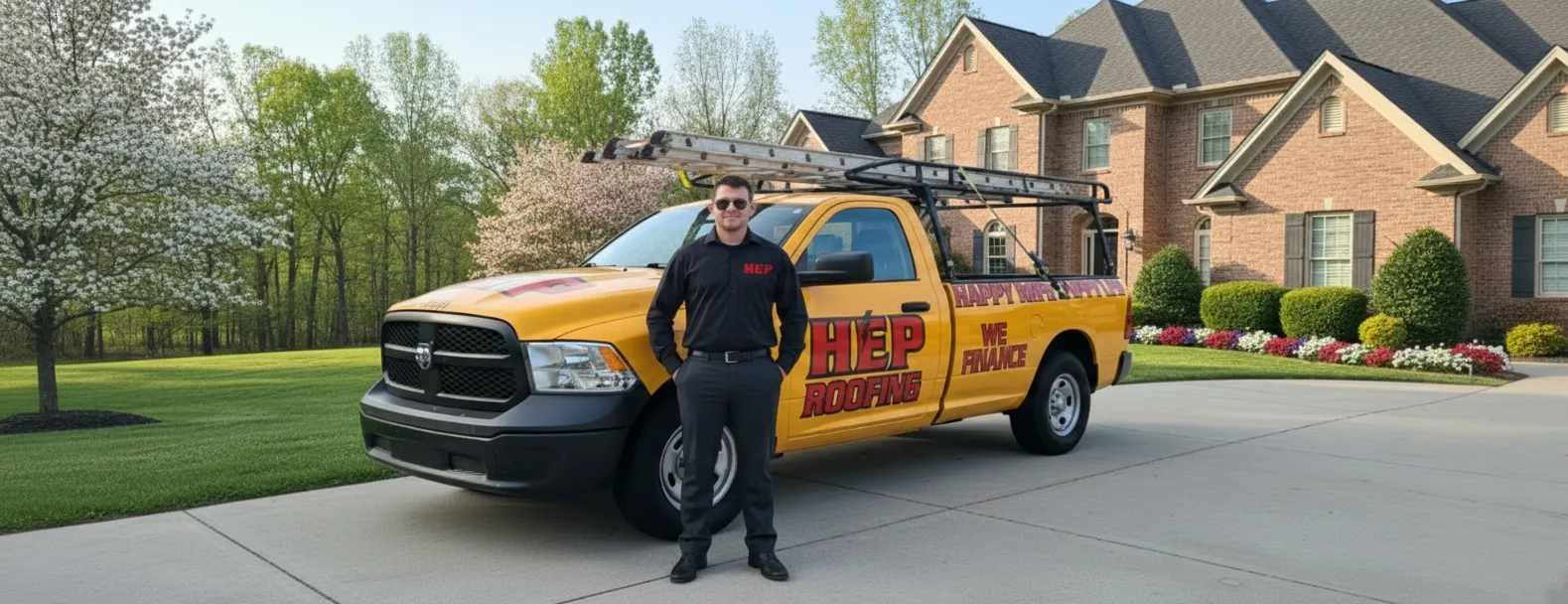

Storm Damage Restoration
Your trusted partner for professional home services. Quality workmanship, guaranteed satisfaction.

Storm Damage Restoration | Roofing | Mountain City
When sudden mountain winds rip shingles from your roof or hail leaves dents the size of quarters, you need a crew that understands both the weather and the worries of Mountain City homeowners. HEP’s Roofing is that neighbor-next-door team, arriving fast with certified inspectors, drone technology, and honest assessments that put your safety first. From emergency tarping to moisture scans, we seal out further damage while you catch your breath.
Once the skies clear, our craftsmen get to work restoring every inch of your roof with premium, storm-rated materials—and we stay on site until the last nail is driven and the yard is spotless. We even walk you through insurance paperwork, turning a stressful claim into a straightforward, transparent process. With HEP, storm damage isn’t the end of your roof’s story; it’s the start of a stronger one, built to stand tall against the next Mountain City storm.
What Our Customers Say


Mountain City’s Unique Climate Challenges for Residential Roofing
Perched along the ridgeline of the Appalachian Highlands, Mountain City experiences an interplay of meteorological forces that routinely test every roof in the region. Summer afternoons can shift from calm skies to violent thunderstorms within minutes, bringing downbursts that roar through narrow valleys. Winter, meanwhile, ushers in heavy snowfall that can melt rapidly during sudden warm spells, refreeze overnight, and expand within shingles or flashing gaps. Hailstones, driven by high-altitude winds, puncture protective granules. This continuous cycle of thermal expansion and contraction places unparalleled stress on roof assemblies, flashing details, and fastener systems.
Intense Thunderstorm Dynamics
Mountain City’s elevation intensifies convective storm cells, elevating hail production. Updrafts keep crystals suspended longer, fostering larger stones that fall at higher terminal velocities. When these hailstones collide with roofing materials:
- Asphalt shingle granules are bruised or dislodged, exposing UV-sensitive asphalt.
- Metal panels may develop cosmetic dents that evolve into ponding zones.
- Synthetic underlayments can exhibit micro-fractures invisible to the untrained eye.
Variable Wind Shear
Ridge-top gusts routinely exceed 60 mph. Wind uplift forces pry at shingle edges, while gust-related suction loosens mechanical fasteners in standing-seam metal systems. Combined with mountain-channeled winds, eddies create localized vortices capable of ripping off entire roof planes on unbraced gables.
Freeze–Thaw Extremes
Rapid temperature swings create freeze–thaw cycles notorious for splitting masonry chimneys and prying open flashing seams. Melting snow trickles into nail holes, freezing overnight to enlarge crevices. Over time, the intrusion permits wind-driven rain to migrate under primary roof coverings.
Common Forms of Roof Storm Damage in Mountain City
Storm events rarely confine themselves to a single damage type. The restoration crews at HEP regularly encounter overlapping issues that demand integrated solutions.
Wind Uplift and Shingle Loss
High-velocity winds break adhesive bonds on strip shingles, then catch the free edge of each tab. Progressive peeling exposes underlayment, allowing subsequent rainfall to saturate the substrate.
Hail Impact Fractures
Granule loss from hailstones hastens UV degradation, leading to brittle asphalt mats that crack under foot traffic. Impact cavities may not penetrate decking but still weaken water shedding capability.
Debris Strikes From Overhanging Timber
Mountain City’s dense tree canopy supplies branches that scratch, gouge, or perforate roof surfaces. Debris impact often coincides with windstorms, combining blunt trauma with uplift forces.
Torrential Rain, Ice Dams, and Secondary Leakage
Extended cloudbursts can exceed the drainage capacity of undersized gutters. When downspouts clog with alpine pine needles, water backs up beneath starter shingles and infiltrates the fascia board. In winter, melted snow refreezes at eaves, forming ice dams that drive water uphill beneath lap joints.
Why Immediate Roof Storm Damage Restoration Matters
Delaying restoration can convert isolated roof damage into systemic structural problems.
Preventing Water Intrusion
Water follows gravity through decking seams, ceiling joists, and drywall. Moisture trapped in insulation fosters mold growth and triggers electrical hazards near recessed lighting fixtures.
Protecting Structural Integrity
Saturated roof sheathing loses compressive strength, compromising its ability to hold fasteners. Over time, cumulative deflection leads to noticeable roof sag and misaligned rafters.
Preserving Indoor Air Quality
Damp framing wood elevates humidity in attic spaces, encouraging fungal spores. These spores migrate into living spaces via HVAC returns, aggravating respiratory conditions.
HEP’s Comprehensive Storm Damage Restoration Process
HEP’s roofing division applies a meticulous, multi-phase protocol refined for Mountain City’s demanding terrain and climate.
Step 1: Detailed Roof Inspection
Certified technicians ascend using alpine-rated safety harnesses anchored to ridge-protection devices specifically designed for steep-slope structures. The inspection checklist includes:
- Photographic mapping of impact sites
- Moisture meter readings on suspect decking sections
- Infrared scanning for hidden water channels
- Evaluation of attic ventilation to detect heat or moisture imbalance
Step 2: Emergency Tarping and Mitigation
When live leaks are present, crews secure industrial-grade tarps over compromised areas. Tarps are fastened with corrosion-resistant cap nails and reinforced battens to withstand mountain gusts until permanent repairs commence.
Step 3: Damage Documentation
HEP compiles an itemized digital report cataloguing material type, manufacture date codes (where legible), and observed failure modes. Drones equipped with 4K cameras capture overhead geometry, while perimeter photographs record collateral damage to gutters, fascia, and siding.
Step 4: Material Matching and Procurement
Mountain City’s HOA architectural guidelines often stipulate color and profile continuity. HEP leverages its supplier network to secure:
- Impact-rated asphalt shingles matching original hues
- 24-gauge Kynar-coated steel panels shaped to existing seam dimensions
- Class 4 synthetic slate tiles for heritage neighborhoods
Step 5: Expert Repair and Replacement
Crews remove damaged courses down to sound substrate, verify rafter alignments, and install self-adhering ice-and-water shield along eaves and valleys. New underlayment is mechanically fastened per 6-inch on-center fastener schedules, exceeding IRC code for high-wind zones.
Step 6: Final Quality Assurance
A senior quality manager inspects seam closure integrity, fastener torque, and shingle bond activation. Ridge ventilation channels are checked for unobstructed airflow, confirmed by smoke-pencil tests. The roof footprint is magnetically swept to capture stray nails before a completion certificate is issued.
Specialized Roofing Materials Suited for Mountain City Storms
Architectural Asphalt Shingles With SBS Modification
Styrene-butadiene-styrene (SBS) polymer additives enhance shingle elasticity, allowing them to flex rather than fissure during hail impact. Granule retention increases, extending service life in UV-intense environments.
Standing-Seam Metal Roofing
Hem-locked seams and concealed clip fasteners permit differential thermal movement, mitigating oil-canning while resisting 140 mph wind uplift. High-albedo coatings reflect solar radiation, lowering attic temperatures and snow-melt variability.
Impact-Rated Synthetic Options
Composite slate and shake profiles molded from engineered polymers offer Class A fire ratings and Class 4 hail resistance. At one-half the weight of natural slate, they reduce load on older framing systems common in Mountain City’s historic districts.
The Importance of Local Expertise
Navigating Municipal Codes
Mountain City permits require Class 4 impact certification for shingle replacements post-hail event. HEP’s code compliance team prepares submissions, ensuring each restoration meets stringent local criteria for wind resistance and ice-shield coverage.
Addressing Mountain Logistics
Steep, narrow streets can impede material delivery. HEP coordinates with local authorities to stage rooftop cranes during low-traffic windows, preventing neighborhood disruption.
Adherence to Regional Environmental Standards
Storm restoration often involves removal of deteriorated underlayments containing asphaltic volatiles. HEP employs containment liners on job sites, preventing runoff into trout-bearing creeks that weave through the town’s valleys.
Integrated Gutter and Ventilation Solutions
Storm damage seldom stops at the shingle edge. HEP evaluates whether impact loads have twisted gutters off plumb, creating water diversion hazards.
Reinforced Gutter Systems
Heavy-gauge aluminum or steel gutters with hidden hanger brackets endure future ice loads better than spike-and-ferrule assemblies. Enlarged downspouts accelerate meltwater discharge, reducing dam formation.
Ridge and Soffit Vent Optimization
Balanced ventilation lowers attic humidity, curbing condensation that would otherwise saturate sheathing after storms. HEP frequently upgrades soffit intake vents to complement restored ridge exhaust systems.
Energy Efficiency Benefits After Restoration
Storm restoration presents an opportunity to augment thermal performance beyond pre-loss conditions.
Upgraded Insulation Opportunities
While decking is exposed, HEP installers add rigid polyiso boards or blown-in cellulose at critical junctures, sealing bypasses around chimneys and skylight chases.
Cool Roof Coatings
For low-slope sections, elastomeric white membranes with solar reflectance indices above 80 reduce heat gain, stabilizing attic temperatures during Mountain City’s sunny autumn afternoons.
Signs Mountain City Homeowners Should Watch For Between Storms
- Missing or curled shingles along rake edges
- Pebble-like granules collecting in gutter troughs or downspout splash blocks
- Brown ceiling spatters that enlarge after each rainfall
- Attic insulation that feels damp to the touch or exhibits gray discoloration
- Earthy or musty odors near interior walls following freeze–thaw cycles
Myth-Busting Storm Damage Restoration
Myth 1: Minor Shingle Loss Can Wait Until Spring
Mountain City’s weather volatility means a calm week can shift abruptly to sleet or hail. Even a single missing shingle can allow wind-driven moisture to compromise decking, warranting prompt repair.
Myth 2: Homeowners Insurance Automatically Covers Every Roof Issue
Policies often include depreciation schedules tied to material age and may exclude cosmetic metal dents unless they affect performance. Thorough documentation and proactive engagement with adjusters remain critical.
Myth 3: All Roofing Materials Respond the Same to Hail
Metal panels dent; asphalt shingles bruise; concrete tiles crack. Restoration plans must be material-specific to avoid mismatched repairs that void manufacturer warranties.
Long-Term Maintenance Recommendations for Mountain City Roofs
Seasonal Inspections
HEP advises post-winter and post-summer inspections to identify ice-damming evidence, hail bruising, and UV granule loss.
Gutter Cleaning Schedule
Evergreen needles shed year-round. Semi-annual gutter clearing prevents water overflow that can rot soffit boards and undermine fascia fasteners.
Vegetation Management
Trimming overhanging limbs reduces debris impact risk and limits moss colonization in shaded roof zones.
Sustainability and Waste Management During Restoration
Responsible Material Disposal
HEP segregates asphalt shingles for recycling into road-bed aggregate, diverting tonnage from regional landfills. Skids of removed metal panels are baled for smelting back into coil stock.
Recycling Asphalt Shingles
Collected shingles are ground into granulated asphalt and blended with virgin bitumen, lowering the carbon footprint associated with new pavement while giving storm-damaged material a second life.
How HEP Ensures Safety on Steep Mountain Roofs
OSHA-Compliant Procedures
Fall-arrest systems include shock-absorbing lanyards rated for 12-foot freefalls, inspected daily. Ladder stabilizers prevent lateral sway on uneven soil near cliffside homes.
Specialized Roof Anchors
Temporary anchors lag-bolted into ridge boards supply tie-off points, later concealed beneath ridge caps. On metal systems, non-penetrating ballast anchors are deployed to preserve panel warranties.
Weather Monitoring Protocols
HEP’s site supervisors subscribe to real-time Doppler alerts. Crews evacuate rooftops when lightning approaches within a 10-mile radius or wind gusts exceed 40 mph, minimizing accident exposure.
Insurance Claim Guidance During Storm Damage Restoration
Accurate Paperwork Generation
HEP’s administrative team codifies each repair line item with Xactimate-compatible nomenclature, easing communication with adjusters.
Photo Evidence Archiving
High-resolution imagery timestamps each visible defect, establishing a chronological damage record to substantiate coverage requests.
Adjuster Coordination
Field supervisors meet adjusters on-site to clarify inspection findings, reducing the risk of overlooked decking rot or hidden flashing breaches. By aligning on scope early, restoration timelines remain streamlined and predictable.
Advanced Roof Accessory Upgrades for Extreme Weather
Mountain City homeowners often enhance restored roofs with specialized accessories designed to counter the area’s demanding storm profile.
Snow Guards and Retention Systems
Snow cascading off metal roofs can shear gutters or injure landscaping.
- Polycarbonate or stainless-steel snow guards distribute loads across panels.
- Continuous bar-style retention systems create uniform resistance, reducing ice bomb hazards.
- Powder-coated finishes blend visually with roof colors while offering corrosion protection in high-moisture valleys.
Lightning Protection Integration
Elevated ridgelines attract atmospheric electrical discharge.
- UL-listed air terminals mounted along ridges provide preferred strike points.
- Braided copper conductors route current safely to buried ground rods, sparing roof components.
- Integration during restoration avoids future penetrations that could jeopardize waterproofing layers.
With Mountain City’s dramatic weather patterns, comprehensive storm damage restoration demands an integrated approach that blends climate-specific knowledge, stringent safety standards, and environmentally responsible practices. HEP’s roofing professionals address each facet of the process—from initial tarp deployment to final ridge cap placement—ensuring that local homes regain full protection against the next round of mountain storms.
Proudly Serving Our Community
Find your local experts in your neighborhood. We're just around the corner.