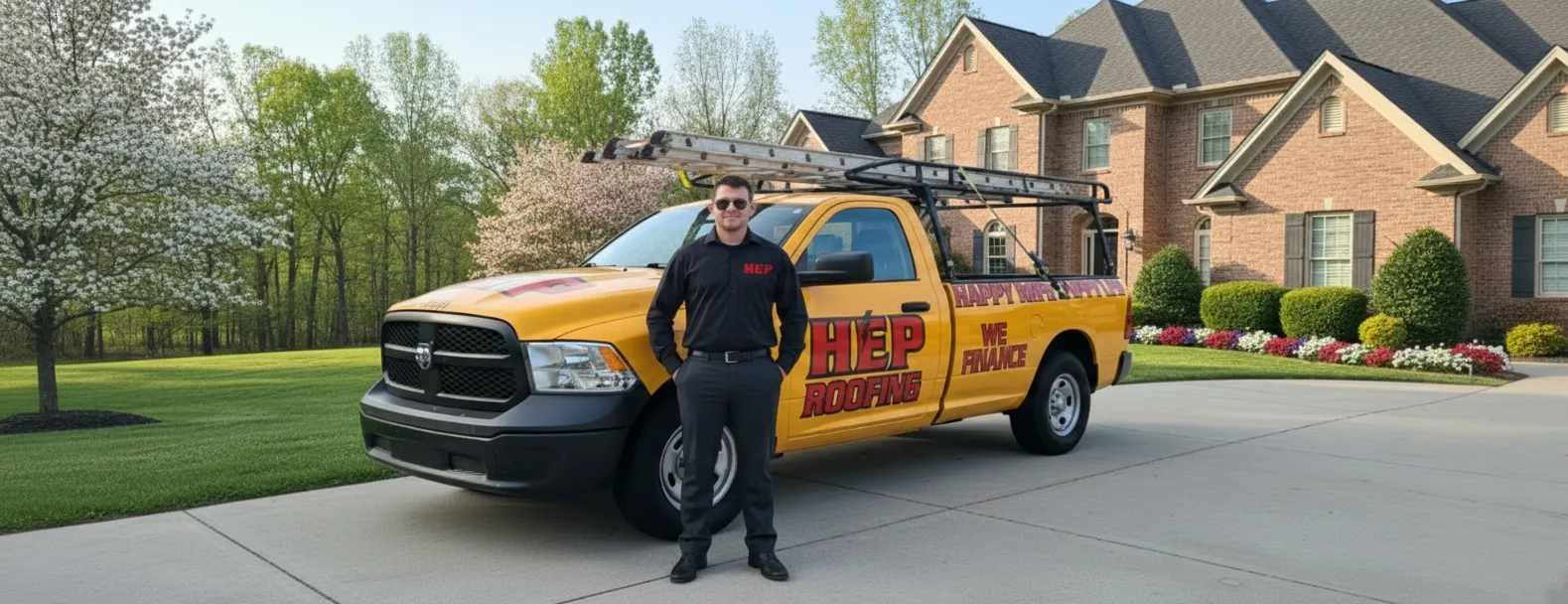

Roof Inspections
Your trusted partner for professional home services. Quality workmanship, guaranteed satisfaction.

Roof Inspections | Roofing | Johnson City
When you live in Johnson City, your roof works overtime—shielding your home from Appalachian winds, sudden hailstorms, and humid summer heat. A professional inspection from HEP’s Roofing gives you the confidence that every shingle, flashing, and seam is ready for the next round of Tennessee weather. Our certified inspectors climb up, crawl through your attic, and use photo‐documentation and moisture-detecting technology to uncover even the smallest signs of wear, storm damage, or hidden leaks.
After the inspection, you receive a clear, jargon-free report outlining any issues, prioritized solutions, and honest cost estimates—so you can decide what’s best for your budget and timeline. Whether you need a simple repair, preventive maintenance, or a full replacement, count on HEP’s decades-strong reputation for craftsmanship, transparent pricing, and neighborly care. Schedule your Johnson City roof inspection today and keep minor problems from turning into major headaches tomorrow.
What Our Customers Say


Comprehensive Roof Inspections in Johnson City by HEP
The rolling foothills of Johnson City are dotted with homes that stand proud against varied Appalachian weather. From humid summer afternoons to surprise winter freezes, every season introduces new stressors that a roof must withstand. HEP’s certified roofing specialists understand these regional pressures and provide meticulous roof inspections designed to extend a system’s lifespan, preserve property value, and prevent costly structural damage. With a blend of local expertise and advanced diagnostic tools, the HEP team ensures each shingle, flashing, and fastener is thoroughly evaluated for both current condition and future resilience.
Why Regular Roof Inspections Matter in Johnson City
Tennessee’s climate can pivot quickly—balmy one moment, storm-laden the next. A roof that appears sound from the ground may conceal subtle vulnerabilities that only a professional assessment can reveal. Regular inspections from HEP uncover issues while they are still minor, avoiding:
- Accelerated material degradation from unchecked UV exposure
- Hidden moisture intrusion after torrential rainstorms
- Wind-lifted shingles that compromise weatherproofing
- Gradual loss of energy efficiency causing higher utility consumption
- Undetected structural stress on rafters and decking
By scheduling proactive evaluations, Johnson City homeowners remain a step ahead of unexpected repairs, safeguarding both interior spaces and personal peace of mind.
The HEP Roof Inspection Process
HEP approaches every roof inspection with a systematic, multi-point protocol that leaves no component overlooked. This process blends hands-on craftsmanship with cutting-edge technology, resulting in an assessment that’s as thorough as it is precise.
1. Pre-Inspection Analysis
Before ascending a ladder, HEP technicians review architectural drawings, material specifications, and any previous service records provided by the property owner. This background information informs targeted areas of focus, ensuring the on-site evaluation addresses known concerns alongside general condition checks.
2. Exterior Visual Examination
From ridge to eave, the exterior examination is conducted with a combination of binocular review, drone footage (when accessibility or safety requires), and direct foot traffic on the roof surface. HEP professionals look for:
- Curling, blistering, or fractured shingles
- Compromised sealing around chimneys, skylights, and vents
- Rust or corrosion on flashing and fasteners
- Accumulated organic debris fostering moisture retention
- Sagging planes indicating substrate fatigue
Every observation is photographed and cataloged for future comparison, creating a data-rich timeline of roof health.
3. Structural Integrity Assessment
Johnson City’s occasional high winds and heavy snow loads can strain a roof’s underlying framework. HEP technicians inspect the structural components—trusses, rafters, and decking—for signs of:
- Warping or bowing that could precede collapse
- Water stains suggesting ongoing leaks
- Nail pops or loose sheathing compromising fastener hold
- Mold or rot that weakens load-bearing capacity
Comprehensive notes guide targeted reinforcement recommendations if concerns are discovered.
4. Interior and Attic Investigation
A roof’s performance cannot be fully measured from the outside alone. Venturing into attic spaces, HEP evaluates insulation depth, ventilation efficacy, and evidence of moisture infiltration. Indicators such as damp insulation, sweating nails, or musty odors often reveal hidden roof leaks well before they surface visibly inside living areas.
5. Moisture Scanning and Leak Detection
Using infrared thermography and moisture meters, HEP pinpoints elusive water intrusion pathways. Thermal imaging highlights temperature differentials that signal active leaks or trapped moisture beneath roofing materials, even when the outer surface appears intact.
6. Detailed Reporting and Recommendations
Upon completion, HEP compiles a written report featuring high-resolution images, annotated diagrams, and prioritized action items. Homeowners receive clarity on the roof’s immediate needs, projected maintenance timeline, and potential upgrades to boost longevity or energy performance.
Unique Roofing Challenges in Johnson City
Varied Seasonal Stress
Johnson City experiences a humid subtropical climate bordering on mountain microclimates. Roof systems must endure:
- Intense UV radiation during prolonged summer daylight
- Sudden thunderstorms with gusty winds that can exceed 60 mph
- Potential hail events capable of bruising shingles and denting metal panels
- Freeze-thaw cycles in higher elevations, leading to ice dam formation
HEP’s inspections are calibrated to spot damage commonly exacerbated by these environmental factors.
Architectural Diversity
Historic cottages, mid-century ranches, and contemporary builds coexist across Johnson City neighborhoods, each featuring unique roofing profiles. Whether dealing with steep gables on a Victorian home or low-slope membrane roofs on modern architecture, HEP adapts its inspection criteria to match the roof type:
- Asphalt composite shingles
- Standing seam metal panels
- Cedar shakes
- EPDM or TPO flat systems
Specialized knowledge of material-specific aging patterns enables HEP to provide accurate assessments and tailored maintenance plans.
Key Indicators That Prompt a Professional Roof Inspection
While a yearly evaluation is recommended, certain signs should accelerate the call for an expert assessment:
Visible Exterior Cues
- Shingle granules accumulating in gutters or at downspout exits
- Dark streaks or patchy discoloration across roof planes
- Flashing lifting away from walls or chimney stacks
- Mold growth on fascia or soffit boards
Interior Red Flags
- Ceiling stains, bubbling paint, or peeling wallpaper
- Sudden spikes in indoor humidity leading to condensation
- Drafts or noticeable temperature fluctuations in upper floors
Post-Storm Concerns
- Branch impact areas or punctures after severe weather events
- Detached ridge caps or torn drip edges observed from the ground
- Unexpected debris found in the yard, such as pieces of vent cover or flashing
Immediate professional attention to these clues mitigates worsening damage and maintains the roof’s protective barrier.
The Long-Term Benefits of HEP Roof Inspections
Extended Material Lifespan
Routine inspections identify early-stage deterioration, allowing targeted repairs that add years to a roof’s serviceable life. This deferred replacement yields substantial long-term savings.
Energy Efficiency Optimization
A well-maintained roof system enhances attic ventilation and insulation performance. Preventing air leaks and moisture buildup ensures HVAC systems operate efficiently, reducing overall energy consumption.
Insurance Claim Support
When storm damage occurs, a documented inspection history establishes baseline condition and speeds claim approval. HEP’s thorough reports serve as authoritative evidence for insurance adjusters, minimizing disputes.
Property Value Preservation
Buyers place high importance on roofing condition. Demonstrating consistent professional maintenance through documented inspections can strengthen negotiating positions and maintain resale value.
HEP’s Commitment to Safety and Professional Standards
Rigorous Technician Training
HEP inspectors undergo continuous education on the latest roofing materials, installation techniques, and safety protocols. Certification programs ensure each technician’s knowledge remains current with evolving industry standards.
Advanced Diagnostic Equipment
Infrared cameras, drone imaging, and moisture detection instruments supplement traditional inspection techniques. These technologies improve accuracy, reduce uncertainty, and capture data that cannot be seen by the naked eye.
Compliance With Building Codes
Johnson City building regulations influence roof repairs and replacements. HEP maintains up-to-date knowledge of local codes, ensuring that every recommendation aligns with municipal requirements and manufacturer warranties.
Typical Findings During Johnson City Roof Inspections
Though every roof is unique, certain issues repeatedly appear in the region:
Shingle Granule Loss
Prolonged sun exposure causes asphalt shingles to shed protective granules. Granule loss accelerates UV degradation and reduces water shedding capability. Early identification by HEP allows sealing or targeted replacement of affected sections.
Improper Ventilation
Adequate attic airflow balances temperature and moisture levels. Inspections routinely uncover blocked ridge vents or insufficient soffit intake, which can lead to warped decking and mold growth.
Flashing Deterioration
Metal flashing around chimneys, valleys, and skylights often experiences corrosion or separation. Even small gaps allow wind-driven rain to penetrate beneath shingles, compromising the substrate.
Ponding on Low-Slope Roofs
Flat or low-slope systems can develop standing water if drainage paths clog or settle. Prolonged ponding stresses membrane seams and speeds material aging, an issue easily spotted during HEP’s inspection walk-through.
How Local Climate Influences Roofing Materials
Johnson City homeowners frequently ask why certain materials fail sooner than expected. Regional climate patterns exert unique pressures that HEP specialists account for during inspections.
Solar Radiation and Heat Cycling
Intense summer sunlight raises roof surface temperatures dramatically. Asphalt shingles expand under heat, then contract during cooler nights. Repeated cycles create micro-cracks, loosening granules and widening nail holes. HEP looks for subtle ridging and blistering, early signs of this thermal fatigue.
Moisture Loading From Humidity
High atmospheric moisture encourages algae and mold on shaded roof areas. Metal components may corrode faster, and organic materials like wood shakes absorb moisture, increasing rot risk. Inspection focuses on algae streaks, soft boards, and compromised fasteners.
Sudden Downpours and Flash Floods
Heavy rainfall challenges drainage systems. Gutters may overflow, directing water back beneath shingle edges or behind fascia boards. HEP evaluates gutter alignment, downspout placement, and roof valleys to ensure proper water evacuation.
Winter Freeze-Thaw Action
Although Johnson City winters are relatively mild, overnight freezes still occur. Water trapped in small crevices expands when frozen, widening gaps and lifting roofing layers. HEP checks for slight shingle nail pops and membrane blisters indicative of freeze damage.
Preventive Maintenance Recommendations Post-Inspection
Once an inspection is complete, HEP may advise maintenance steps to protect against future problems:
- Clearing debris from gutters and roof valleys every season
- Trimming nearby tree branches that brush or overhang the roofline
- Ensuring attic insulation remains level and dry
- Sealing small fastening points with appropriate roofing cement
- Scheduling biannual attic moisture checks during extreme seasons
These simple actions complement professional repairs, forming a holistic roof care strategy.
Modern Technology in HEP Roof Inspections
Drone-Powered Aerial Surveys
In cases of steep pitches or fragile surfaces, drones capture high-definition images and 4K video without risking technician safety. Overlapping flight paths create a detailed orthomosaic map, outlining even minor material irregularities.
Infrared Thermography
Thermal cameras detect temperature anomalies revealing hidden moisture, heat leaks, and insulation gaps. HEP integrates infrared inspection into standard protocols for both steep-slope shingle roofs and commercial flat systems.
Moisture Mapping Sensors
Capacitive and pin-type moisture meters measure saturation levels within decking and insulation layers. By charting readings across various points, HEP pinpoints leak origins and quantifies the extent of water damage.
Roofing Components Examined During Every HEP Inspection
A roof is more than its visible surface. HEP’s checklist includes dozens of subcomponents vital to roof function:
Surface Materials
- Asphalt shingles
- Metal panels or tiles
- Wood shakes
- Synthetic slate or composite materials
Water Management Elements
- Gutters, downspouts, and splash blocks
- Roof valleys and diverters
- Drip edges and kick-out flashing
Penetrations and Seals
- Vent pipes and boots
- Chimney counter-flashing
- Skylight curbs
- Solar panel mounts
Underlayment and Decking
- Ice-and-water shield placement
- Felt or synthetic underlayment condition
- Plywood or OSB decking integrity
Structural Support
- Trusses, rafters, and collar ties
- Ridge boards and blocking
- Fascia and soffit assemblies
Each component receives individual attention, documented within the final inspection report.
Signs of Moisture Damage Specific to Johnson City Homes
Moisture manifests differently based on regional building practices and climate. HEP inspectors watch for:
- Tannic acid staining on exposed beams typical of hardwood framing lumber used locally
- Efflorescence on brick chimney stacks indicating persistent water wicking
- Subtle mildew lines along drywall seams in bonus rooms over insulated garages
- Swollen trim boards on dormers where wind-driven rain impacts siding
Early detection prevents costly interior repairs and maintains indoor air quality.
Roofing Codes and Regulations Impacting Inspections
Johnson City enforces building standards aimed at homeowner safety and structural durability. HEP remains conversant with:
- Minimum nailing patterns for asphalt shingles during high-wind conditions
- Ice barrier requirements along eaves in designated freeze zones
- Metal roof panel fastening schedules to resist uplift
- Ventilation ratios dictating net free area in attic spaces
Inspection findings reference these codes, ensuring recommended corrections meet or exceed legal mandates.
Environmental Stewardship and Sustainable Roofing Practices
HEP integrates eco-conscious approaches into inspection and maintenance programs. Key sustainability considerations include:
- Evaluating roof recyclability at end of service life
- Identifying opportunities for reflective “cool roof” coatings to reduce urban heat absorption
- Recommending solar-ready flashing kits for homeowners planning photovoltaic installations
- Assessing rainwater harvesting compatibility through gutter and downspout optimization
Such measures align with Johnson City’s growing interest in green building principles and energy conservation.
Common Myths About Roof Inspections Debunked
Misconceptions often lead homeowners to defer critical maintenance. HEP’s experience dispels several myths:
Myth: “New roofs don’t need inspections.”
Reality: Installation errors or unforeseen storm events can damage even recently installed systems. Early detection preserves warranty coverage and prevents premature failure.
Myth: “If there’s no leak, the roof is fine.”
Reality: Many forms of deterioration remain invisible until significant interior damage appears. Inspections identify risks long before water reaches living spaces.
Myth: “DIY visual checks from the ground are sufficient.”
Reality: Surface observations miss issues like micro-fractures, underlayment failure, and structural stress. Professional inspections offer detailed, consistent, and safe evaluations.
The Role of Documentation in Ongoing Roof Care
HEP maintains a digital archive for every roof inspected, including:
- Date-stamped photos and video clips
- Moisture and thermal imaging logs
- Detailed notes on material condition and repair history
- Code compliance references
This database streamlines future assessments, demonstrates maintenance diligence to potential buyers, and supports homeowner insurance negotiations.
Roof Inspection Timing Recommendations
Although climate and roof age influence scheduling, HEP generally advises:
- An annual inspection timed either in early spring after winter stress or early fall before harsh weather returns
- Additional checkups following severe hail, wind, or heavy snow events
- Pre-sale inspections to assure transparency during real estate transactions
- Post-installation reviews to confirm workmanship quality and establish baseline condition
Consistent adherence to this timeline fortifies roof performance across all seasons.
How Attic Ventilation Integrates With Inspection Findings
Proper ventilation balances heat and moisture, influencing both roofing material longevity and indoor comfort. HEP’s inspection evaluates:
- Intake-to-exhaust ratios for ridge, box, and gable vents
- Obstructions created by blown-in insulation or stored belongings
- Evidence of condensation underside decking hinting at airflow imbalance
- Compatibility of existing vents with additional insulation plans
Correcting ventilation deficiencies enhances roofing durability and increases energy efficiency.
Gutter System Evaluations During Roof Inspections
Seamless gutter performance is integral to a roof’s health. HEP inspectors verify:
- Pitch and slope ensuring water flows freely to downspouts
- Secure attachment to fascia without wood rot or pulling screws
- Adequate splash guards where valleys direct high water volumes
- Screens or guards functioning without restricting flow
Effective gutters prevent foundation erosion, siding stains, and ice dam formation along eaves.
Potential Upgrades Identified Through an Inspection
While HEP’s primary focus is existing roof condition, inspectors may suggest enhancements that provide additional value:
- Impact-resistant shingles for hail-prone areas
- High-temperature underlayment in sun-exposed sections
- Self-healing membranes around penetrations for leak reduction
- Reflective granule coatings improving solar reflectivity
Upgrades are prioritized based on immediate needs, budget considerations, and energy performance goals.
The HEP Difference in Johnson City Roof Inspections
Expert knowledge, advanced technology, and a dedication to thoroughness distinguish HEP’s approach. Homeowners gain reliable insights into roof health, the confidence to make informed maintenance decisions, and reassurance that experienced professionals are overseeing one of their property’s most crucial components. Through systematic inspections, tailored recommendations, and detailed documentation, HEP helps Johnson City roofs stand strong against every seasonal challenge.
Proudly Serving Our Community
Find your local experts in your neighborhood. We're just around the corner.