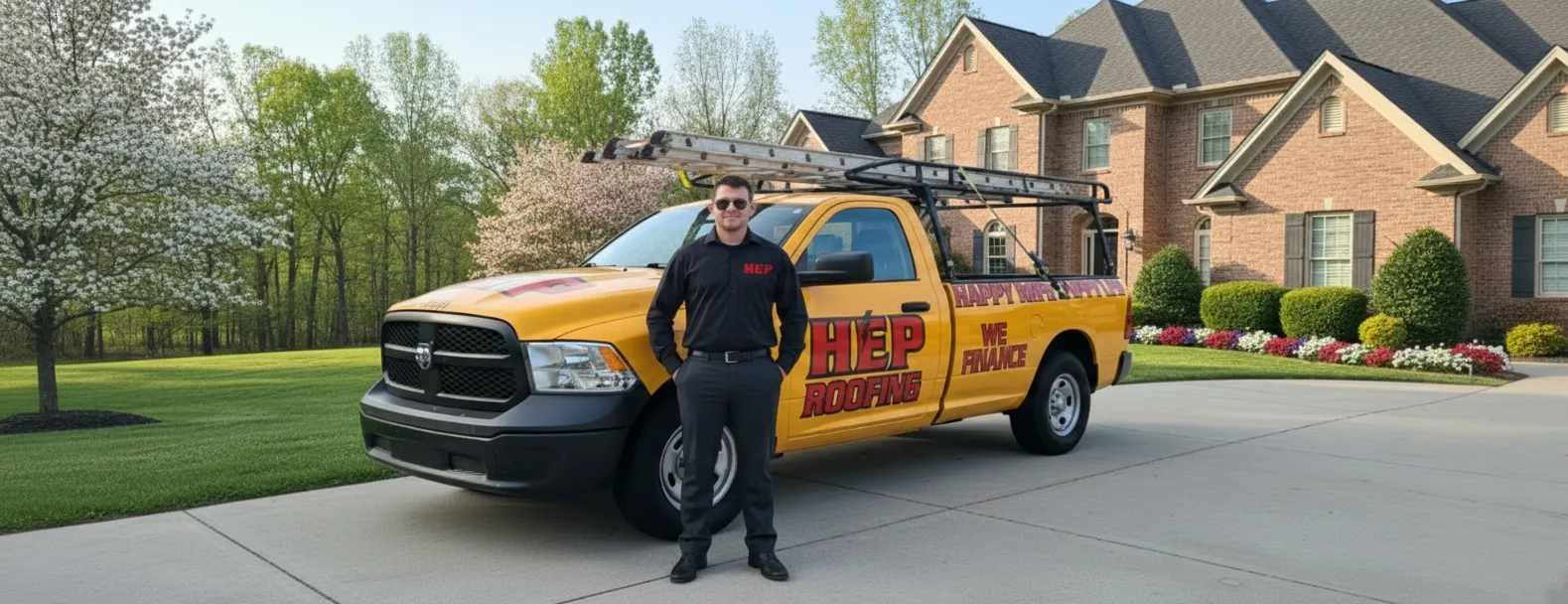

Roof Inspections
Your trusted partner for professional home services. Quality workmanship, guaranteed satisfaction.

Roof Inspections | Roofing | Elizabethton
When a storm rolls off the Appalachian ridges into Elizabethton, your roof takes the first hit. HEP’s certified inspectors know exactly where wind, water, and time like to sneak in, from hidden shingle lift to flashing that’s hanging on by a thread. We climb up, photograph every inch, and create a clear, no-pressure report that shows you what’s perfectly fine and what needs attention now—so you can avoid surprise leaks and costly emergency repairs later.
Because we live and work right here in Carter County, we understand the mix of historic homes, new builds, and everything in between. Whether your roof is metal, architectural shingle, or traditional three-tab, a HEP inspection pairs local insight with industry-leading tech like infrared moisture scans and drone imaging. Best of all, the inspection is free, and if repairs are needed we can coordinate with your insurance and schedule the work around your busy week. Protect the view you love—call, click, or stop by our Elizabethton office today and HEP it done!
What Our Customers Say


Why Regular Roof Inspections Matter in the Elizabethton Climate
Elizabethton sits in the Watauga River valley at the foothills of the Appalachian Mountains, a location that blesses residents with four distinct seasons—and burdens every roof with dramatically shifting weather patterns. From spring downpours driven by systems that funnel moisture through the mountains, to intense midsummer UV exposure, to autumn windstorms, to heavy winter sleet, local roofs seldom enjoy a calm month. Moisture cycles and temperature swings force shingles, fasteners, and flashing to expand and contract, accelerating wear. Without scheduled inspections, minor vulnerabilities often develop into structural failures that compromise interior ceilings, insulation, and framing.
Residents also contend with microclimates: ridgelines receive heavier wind loads, low‐lying hollows trap condensation, and downtown neighborhoods experience urban heat islands. HEP’s roof inspectors factor these localized conditions into every assessment, ensuring that each homeowner receives recommendations tailored to the microclimate above their own street rather than generic advice.
HEP’s Proven Roof Inspection Methodology
HEP’s process is designed for both residential and commercial roofs in Elizabethton and emphasizes thoroughness, safety, and documentation.
- Pre‐visit research using county property records, previous work orders, and satellite imagery
- On‐site safety briefing, including fall‐arrest gear checks and homeowner coordination for attic access
- Exterior visual scan from ground level to spot sagging ridgelines, missing shingle tabs, or soffit staining
- Drone flight to capture high‐resolution images of inaccessible slopes
- Perimeter walk and gutter inspection to verify water shedding efficiency
- Hands‐on surface testing: lifting shingle edges, probing rubber membranes, and tightening sample fasteners
- Penetration analysis around skylights, plumbing vents, furnace flues, and satellite mounts
- Flashing inspection at chimneys, step walls, and valleys, followed by minor on‐the‐spot resealing where safe
- Attic examination for daylight intrusion, insulation moisture, truss cracking, and ventilation balance
- Thermal imaging sweep to detect hidden leaks, insulation voids, or delaminated decking
- Data consolidation in HEP’s proprietary digital platform, including annotated photographs and heat maps
- Summary of urgent issues, maintenance recommendations, and optional long‐term upgrades
The methodology delivers repeatable results across varied roof types—from steep 12/12 asphalt slopes in the Cherokee National Forest buffer zone to low‐slope TPO systems atop businesses near State Line Road.
Detailed Component Analysis Performed by HEP
Shingle and Surface Wear Evaluation
HEP inspectors document the percentage of granule loss, note blistering or cupping, and sample shingles from shaded versus sun‐exposed areas to compare UV degradation. For architectural asphalt, they check sealant strips for tackiness; for standing seam metal, they assess coating chalking and fastener backing. Any hail bruising is logged using a 10× loupe and a 2″ reference grid. By correlating wear patterns with prevailing wind direction, inspectors can isolate mechanical failure from age‐related decline.
Flashing and Penetration Checkpoint
Chimney aprons, valley metals, and step flashing pieces are counted, measured, and photographed. Where mason chimneys lack saddle flashings, HEP flags the oversight as a water intrusion risk. Skylight curbs undergo a bead pull test on all four sides to verify continuous sealant. Plumbing vent boots receive torque checks because temperature cycling often loosens compression rings, especially on roofs with dark shingles that absorb more heat.
Attic and Interior Diagnostics
An attic can reveal roof problems before they appear outside. HEP teams inspect:
- Rafter and truss moisture stains
- Rust on nail tips indicating condensation
- Matted or displaced insulation creating thermal bypasses
- Mold colonies in stagnant corners
- Adequacy of intake vents compared to exhaust vents (target ratio 1:300 for most vented attics)
Infrared cameras highlight temperature deltas across the ceiling plane. Where HEP finds excessive delta, recommendations may include adding baffles, increasing soffit venting, or upgrading blown‐in insulation density.
Gutter and Downspout Performance Audit
Elizabethton experiences intense leaf fall from oak, maple, and hickory trees. Clogged gutters overflow, leading to fascia rot and ice dams. During inspections, HEP:
- Measures gutter slope using laser levels
- Checks hanger spacing (ideal 24–30″ on center)
- Tests downspout extensions for proper discharge distance
- Looks for tiger‐striping that signals water overshoot
Structural Load Path Verification
Hidden sagging can telegraph through the framing system. HEP measures deflection along ridge boards, captures digital angle readings using inclinometer apps, and identifies any rafter ties that are missing or undersized. Recommendations might include sistering joists, adding collar ties, or bracing gable ends—upgrades that safeguard the home during Appalachian wind gusts exceeding 60 mph.
Technology Tools Used by HEP Inspectors
Drone‐Assisted Aerial Imaging
By deploying drones equipped with 4K cameras and obstacle avoidance sensors, HEP gains vantage points over steep slate roofs and fragile clay tiles without heavy foot traffic. Aerial imaging also documents chimney crowns, lightning rods, and solar panels.
Infrared Thermography
Thermal cameras detect temperature variations smaller than 0.1 °C. Inspectors fly drones at twilight or shoot from rooftop vantage points to spot insulation voids and trapped moisture that remain invisible to the naked eye.
Moisture Mapping Systems
Capacitance meters and pinless moisture scanners quantify water content within decking, parapet walls, and fascia. Data feeds into software that generates color‐coded moisture maps, allowing HEP to plan targeted repairs.
Digital Documentation and Reporting Software
All photos, videos, and sensor readings sync to cloud servers. Homeowners receive a password‐protected link containing time‐stamped evidence, maintenance schedules, and predicted roof life expectancy based on regional climate data.
Seasonal Roof Inspection Strategies for Elizabethton Homes
Spring Assessment
After winter freeze‐thaw cycles, HEP checks for ice dam scarring, cracked gutters, and early algae blooms. Spring is also prime time for tree pollen, which turns roof surfaces slick; inspectors may recommend low‐pressure wash treatments.
Summer Heat Mitigation
UV intensity peaks in July. HEP focuses on asphalt shingle oxidation, thermal expansion gaps in metal panels, and ridge vent airflow. Where attic temperatures exceed 120 °F, upgrades such as solar‐powered vents or additional intake may be proposed.
Fall Preparation
Late September inspections revolve around debris clearance. Gutter guards, leaf‐proof valleys, and downspout screens are detailed. Any shingle edges lifted by summer storms are resealed to prevent wind uplift during autumn squalls.
Winter Storm Readiness
By December, inspectors verify snow load capacity, review ice shield coverage, and confirm that all fastener heads are flush to avoid ice buildup. Heating cable placement along eaves may be recommended for north‐facing slopes that receive limited sun.
Common Roofing Materials Found in Elizabethton and Their Inspection Nuances
Asphalt Shingles
• Inspectors rate granule retention levels and perform sealant strip adhesion tests
• Laminated architectural shingle edges are assessed for scuffing from branch abrasion
• Ventilation is cross‐checked to prevent premature curling
Standing Seam Metal
• Attachment clips are examined for corrosion, particularly in areas with industrial fallout
• Panel seams receive probe checks for oil‐canning symptoms
• Coating thickness is measured using magnetic gauges to verify warranty conditions
EPDM and TPO Membranes
• Seams are subjected to peel‐back tests for weld integrity
• Parapet terminations are inspected for edge flutter
• Ballast displacement is noted after heavy winds along the Watauga River corridor
Cedar Shakes and Wood Roofing
• Moisture content is measured; anything above 20 % triggers recommendations for drying or replacement
• Surface erosion is documented, especially where shade keeps shakes damp
• Flashing at valleys is scrutinized, as copper interacts with tannins in cedar
Compliance with Tennessee Building Codes and Insurance Requirements
Documentation HEP Provides
Each HEP inspection culminates in a standardized digital packet containing:
- Annotated roof plan
- Statement of compliance with 2018 International Residential Code (latest adopted by Tennessee)
- Photo evidence of any code deviations such as improper fastener spacing or missing ice‐water barrier
- Lifecycle projection and urgency rating system—critical, moderate, deferred
This documentation streamlines homeowner correspondence with insurance adjusters during claims for wind or hail events and keeps remodel permits on schedule.
Navigating Warranty Obligations
Shingle manufacturers often require periodic inspections to maintain material warranties. HEP logs inspection dates, findings, and corrective actions to help property owners preserve warranty validity. For commercial clients, membrane manufacturers mandate annual independent inspections; HEP’s reports satisfy these third‐party audits.
Benefits of Partnering with HEP for Ongoing Roof Care
- Proactive leak detection reduces emergency repairs
- Extended roof life by 20–30 % through targeted maintenance
- Lower utility bills via insulation and ventilation tuning
- Increased property value with documented service history
- Peace of mind during severe Appalachian storm seasons
Signs Homeowners Should Schedule an Immediate HEP Roof Inspection
- Visible shingle granules in downspouts
- Dark ceiling spots or musty odors in upper rooms
- Unexplained attic humidity spikes
- Rattling noises on windy nights
- Sagging ridgelines or dipping roof planes
- Sudden energy bill increases despite moderate thermostat settings
Preventive Maintenance Recommendations Derived from Inspections
HEP technicians convert field data into action items:
- Refasten loose gutter spikes with concealed hangers
- Apply UV‐stable sealant to exposed nail heads along ridge vents
- Replace cracked pipe boots with silicone‐flashed collars
- Install splash blocks or underground leaders at downspout outlets
- Trim overhanging branches within ten feet of the roof edge
- Add intake vents to achieve balanced airflow, preventing heat buildup
Roof Inspection Case Scenarios in Elizabethton Neighborhoods
Storm Damage on South Hills Estates
A mid‐April thunderstorm produced 1.25″ hail. HEP’s inspection documented 12 impacts per 100 sq ft on the western slope, warranting a full shingle replacement claim. Eastern exposures showed cosmetic bruising only, allowing partial replacement and saving decking materials.
Ice Dams Near Lynn Avenue
Homes along the shaded banks of Doe River experienced ice dams that forced meltwater under shingles. HEP inspectors found soaked insulation and recommended the installation of 6 ft ice‐water shield during re‐shingling, along with continuous soffit vent upgrades to resolve the root cause.
High‐Wind Event on Milligan Highway
Gusts above 70 mph peeled back a section of ridge vent on a metal roof. HEP secured temporary tarps, inspected seam clips, and reinforced the ridge using wind‐rated screws and foam closure strips to restore uplift resistance.
Energy Efficiency Gains from Proper Roof Inspection and Ventilation Adjustments
A tight, well‐ventilated roof moderates attic temperatures, cutting HVAC workloads. When inspectors find blocked ridge vents or missing baffles, they recommend solutions that can shave 10–15 % off annual heating and cooling costs. Reflective coatings on metal roofs and solar radiant barriers in attic spaces may also be proposed.
Moisture, Mold, and Indoor Air Quality Implications
Elizabethton’s humid summers are notorious for mold proliferation. Roof leaks and poor ventilation exacerbate interior air quality issues. HEP inspections target moisture entry points and recommend dehumidifiers or vapor barriers where relative humidity consistently exceeds 60 %. Addressing these issues guards against respiratory ailments, preserves drywall integrity, and protects wooden framing from rot.
HEP Safety Protocols During Roof Inspections
- OSHA‐compliant harnesses attached to roof anchors rated at 5,000 lbs
- Ground spotters maintain secure exclusion zones during drone flights
- Ladder stabilizers and gutter guards prevent crush damage to aluminum rails
- Electrical safety: inspectors treat all overhead service drops as live, maintaining 10 ft clearance
- Weather monitoring apps halt inspections when lightning is within 10 miles or wind gusts exceed 25 mph
Roof Inspection Checklist Applied by HEP Technicians
Every HEP roof inspection in Elizabethton is guided by a structured checklist that guarantees nothing is overlooked, no matter how complex the roof design.
- Pre‐inspection documentation—collect roof age, prior repair logs, and warranty data
- Perimeter walk—scan soffits, fascia, and gutter lines for visible deformation
- Safety anchor placement—install temporary anchors to maintain fall protection throughout the inspection
- Surface material analysis—note shingle type, gauge metal thickness, or identify membrane brand for future compatibility
- Fastener integrity testing—hand‐check random nail or screw samples for pull‐out resistance
- Sealant elasticity survey—press silicone or roofing cement beads to gauge flexibility and detect brittleness
- Expansion joint evaluation—on commercial roofs, confirm that joints compress and rebound without binding
- Penetration moisture scan—use a capacitance meter around vent stacks, skylights, and HVAC curbs
- Deck deflection measurement—record any variance in slope that could indicate structural sag
- Thermal imaging pass—capture a full series of infrared photos under consistent temperature conditions
- Debris inventory—list organic matter, construction residue, or loose hardware discovered on the surface
- Post‐inspection cleanup—remove displaced nails, reattach minor flashing separations, and ensure all safety gear is cleared
The checklist culminates in an on‐site debrief, during which inspectors summarize initial findings before compiling the full digital report.
Impact of Local Flora and Fauna on Roofing Systems
Common Animal‐Related Damages
- Squirrels chew through ridge vents and underlayment, creating entry points for water
- Raccoons pry up shingles or soffit panels while searching for nesting areas
- Woodpeckers drill holes in wooden fascia, allowing rain to infiltrate
- Bats and birds roost in attic cavities, depositing guano that accelerates wood decay
HEP inspectors search for gnaw marks, torn screens, and droppings to confirm the presence of animals and recommend exclusion strategies before repairs commence.
Vegetation Encroachment Issues
- Overhanging branches scrape shingle granules, shortening service life
- Leaf accumulation traps moisture, fostering moss and mildew growth
- Vines, such as English ivy, creep under flashing and lift shingles as they expand
- Tree roots near foundations cause subtle shifts that telegraph into the roof structure, potentially warping framing members
During inspections, HEP maps vegetation proximity and advises on trimming schedules, gutter guard installations, and anti‐moss treatments that mitigate plant‐related risks while preserving the verdant character of the property.
Proudly Serving Our Community
Find your local experts in your neighborhood. We're just around the corner.